Thinking about renovating a Lakewood home? In this part of Dallas, a remodel is not just about fresh finishes or more space. It is also about protecting the character that makes Lakewood distinct, avoiding costly surprises, and making choices that fit the local market. If you want your renovation to feel thoughtful from day one, this guide will help you plan the right scope, ask better questions, and move forward with more confidence. Let’s dive in.
Why Lakewood Renovations Need Extra Care
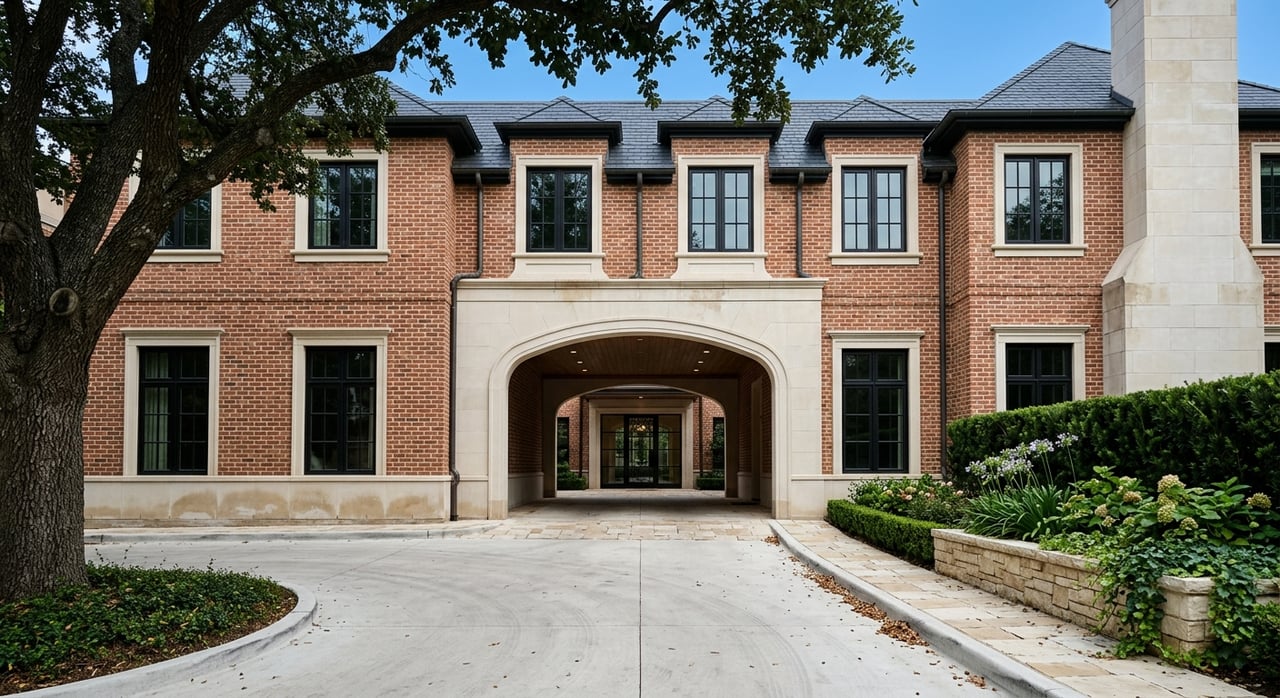
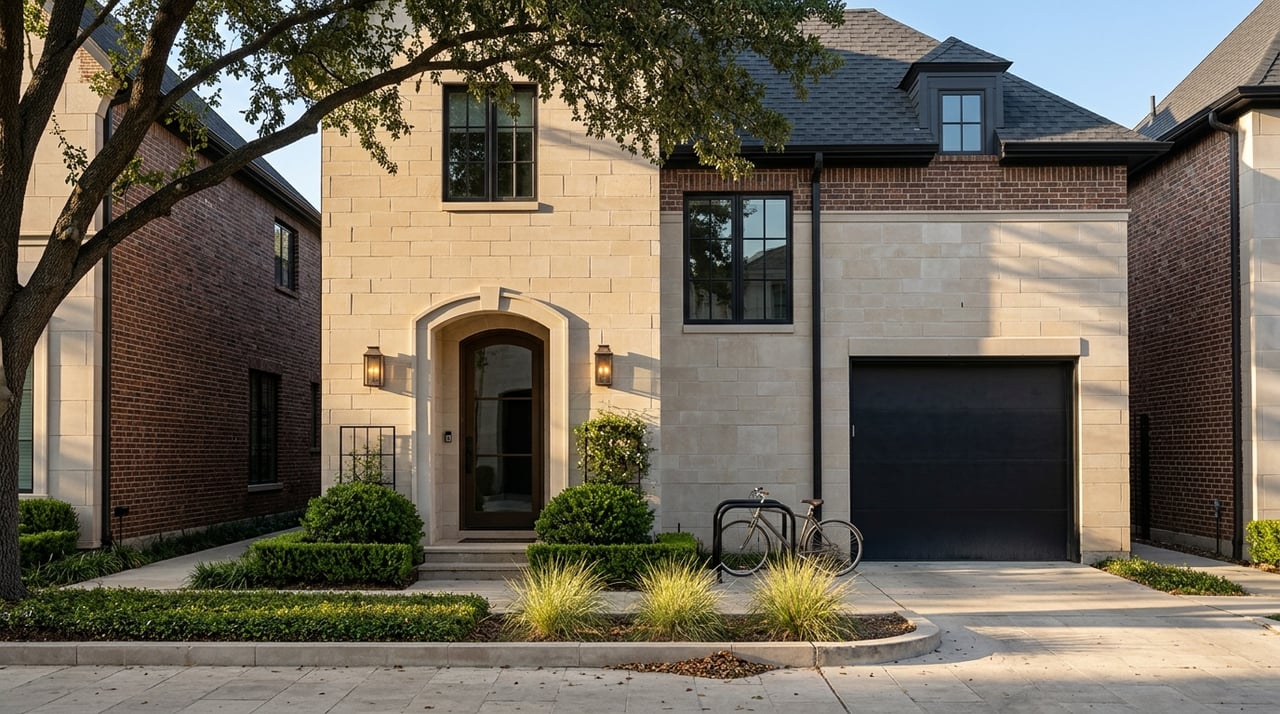
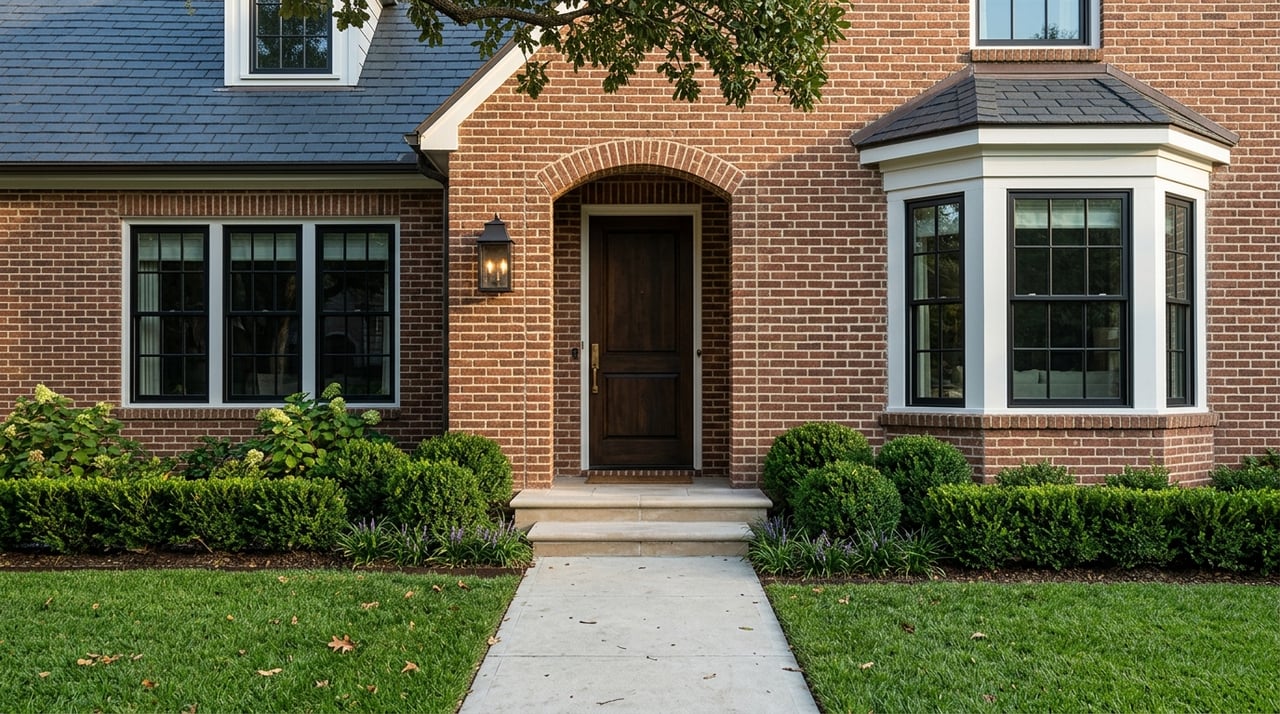
Lakewood developed in the early 1920s, and City of Dallas designation materials describe a neighborhood shaped by French Eclectic, English Tudor, Colonial Revival, Spanish Eclectic, and other architect-designed homes near White Rock Lake. That architectural mix is part of what gives the area its lasting appeal. When you renovate, your decisions can either support that original character or work against it.
That matters financially too. Redfin reports Lakewood’s median sale price at $1.618 million for the three months ending May 2026, compared with $499,000 for Dallas overall during the same period. In a market like this, the best renovation plan is usually the one that respects the home, the street, and the nearby comparable sales rather than chasing the biggest remodel in a different part of the city.
Start With the House You Actually Have
Before you choose tile, move walls, or sketch an addition, get clear on the condition of the home as it stands today. Many Lakewood homes are older, which means age-related issues can shape both budget and design. A thoughtful renovation starts with facts, not assumptions.
If your home was built before 1978, treat paint-disturbing work as a lead-risk issue unless testing shows otherwise. The EPA says older homes are more likely to contain lead-based paint, and tasks like sanding, scraping, and window replacement can create hazardous dust. This is one of the first planning questions to answer before demolition begins.
Asbestos is another concern that should be handled carefully. The EPA notes that asbestos cannot be identified by sight alone, so if a remodel could disturb materials such as floor tile, ceiling tile, or pipe wrap, sampling by a trained and accredited asbestos professional is the safer path. Guessing can put your budget, timeline, and health considerations at risk.
Check District and Permit Rules Early
In Lakewood, two homes that seem similar may not follow the same review path. The City of Dallas lists a Lakewood Conservation District, and city materials note that the original district covered only Country Club Estates while expansion discussions referenced areas like Westlake Park, Monticello, and Gaston Place. That means your address matters, and it should be checked early.
Dallas residential permits cover construction, renovation, and major repairs. While some smaller interior work may be exempt in limited cases, the city says homeowners should not assume a project is permit-free until they check zoning resources and overlay maps for the property. This step is easy to delay, but it is far better to confirm the rules before plans and pricing are finalized.
If your exterior work affects a designated historic district or landmark site, the city requires a Certificate of Appropriateness before work begins. That approval does not replace the need for a building permit. In practical terms, this means design, review, and permit timing all need to be part of the renovation schedule from the start.
Know Which Upgrades Tend to Pay Off
Not every renovation adds value in the same way. Zonda’s 2025 Cost vs. Value report found that exterior replacement projects continued to outperform more discretionary interior remodels nationally. For Dallas homeowners, the local numbers are even more useful because they show how resale response works in this market.
According to the Dallas 2025 Cost vs. Value table, garage door replacement recouped 263.3% of cost, steel entry door replacement recouped 251.9%, and manufactured stone veneer recouped 243.4%. A midrange minor kitchen remodel came in at 120.4%, while a wood deck addition was near break-even at 99.8% and a midrange bath remodel at 75.7%.
The same Dallas data shows wood window replacement at 68.4% and a midrange major kitchen remodel at 51.8%. That does not mean those projects are wrong. It means larger, more personalized interior renovations may make more sense if you plan to stay and enjoy them, while shorter-horizon sellers often benefit more from targeted improvements with broader appeal.
A Smart Renovation Sequence for Lakewood
For many Lakewood homes, a phased plan is the most thoughtful approach. It helps you protect the home first, preserve what gives it character, and invest in upgrades that make sense for your goals and timing. It also reduces the risk of overspending before the real condition issues are known.
A practical order often looks like this:
- Address structural or movement concerns first
- Confirm any lead or asbestos risks before demolition
- Review zoning, district, permit, and approval requirements
- Repair or improve key exterior elements that affect curb appeal and protection
- Update kitchens or baths with a scope that matches your hold period and nearby comparables
- Consider additions or layout changes only after site limits, drainage, and neighborhood context are clear
This kind of sequence is especially useful in Lakewood, where older homes, lot-specific rules, and strong resale values all intersect. You want each dollar to support both livability and long-term value.
Bring the Right Specialists In Early
The right early advice can save you from expensive redesigns later. If your home shows signs of movement, such as cracked walls, sloping floors, or windows and doors that feel out of square, a structural engineer or other qualified building professional should be part of the process early. Their guidance can help you tell the difference between older movement that has stabilized and conditions that still need active repair.
For pre-1978 homes, a lead-safe certified renovator should be considered for paint-disturbing work. If demolition may affect suspect materials, an asbestos professional should be involved before work starts. These are not details to sort out mid-project.
For electrical and plumbing updates, do not assume general repair help is enough. Dallas says electrical work generally requires a permit and a licensed electrician unless a homeowner qualifies for a narrow homestead exemption. The city also allows homeowner plumbing or mechanical work on a homestead only within specific exemption and permit rules.
Do Not Overlook Trees, Drainage, and Site Limits
In Lakewood, the house is only part of the story. Mature trees, established grades, and lot layout can all affect what is feasible and how long approvals may take. Exterior additions, driveway work, and site changes should be reviewed with these factors in mind.
Dallas’s landscape and tree manual says tree surveys may be needed during permit review. The city also handles tree removal separately from grading permits, and replacement rules can apply when approved removals occur. If your project affects trees, bringing in a tree-savvy consultant or arborist early can help avoid delays and replacement costs.
Drainage and floodplain status also matter before plans are locked in. Dallas says property owners can estimate whether a site sits in the 1% annual chance floodplain using DCAD, the zoning GIS, or FEMA tools, and the city maintains separate floodplain regulations. If your renovation changes grade or expands the footprint, this check belongs near the front of the planning process, not the end.
Match the Scope to Your Timeline
One of the most important renovation decisions is not what you build. It is why you are building it. A homeowner preparing for a future sale may make very different choices than a long-term owner planning to stay for years.
If you expect to sell in the near term, lower-scope improvements with visible impact may offer the clearest path. In Dallas, exterior upgrades and minor kitchen improvements have shown stronger recoupment than large, highly customized interior remodels. In a neighborhood like Lakewood, that often means refining what is already there rather than reinventing the whole house.
If you are renovating for long-term enjoyment, your decision-making can be broader. You may still want to stay grounded in nearby comparables, but personal use, comfort, and how well the home functions for your household can reasonably carry more weight. The key is to be intentional about that tradeoff from the beginning.
Renovate With Character in Mind
A thoughtful Lakewood renovation is rarely the flashiest one. It is the one that feels right for the house, the lot, and the surrounding homes. That could mean preserving original proportions, selecting updates that fit the architecture, or avoiding changes that make the home feel disconnected from its setting.
In a neighborhood known for its varied historic styles and strong market position, restraint can be a strength. When your renovation protects the structure, respects the home’s architectural language, and reflects local resale realities, you are more likely to end up with a result that feels timeless rather than trendy.
If you are weighing what to renovate, what to defer, and how your plans may play in the Lakewood market, working with a team that understands both homes and resale can make the process much clearer. To talk through your options, schedule a free consultation with The Ryan Group.
FAQs
What should you inspect before renovating a Lakewood home?
- You should start with the home’s current condition, including possible structural movement, lead-based paint risk in pre-1978 homes, and any materials that may contain asbestos if the project will disturb them.
Do Lakewood homes in Dallas always need permits for renovation work?
- Not always, but Dallas says residential permits cover construction, renovation, and major repairs, and you should not assume work is exempt until you check the property against city zoning resources and overlay maps.
How do conservation districts affect a Lakewood renovation?
- A conservation district or other overlay can change the review path for your project, especially for exterior work, so the specific address should be checked early in the planning process.
Which renovation projects tend to add the most value in Dallas?
- Dallas 2025 Cost vs. Value data showed especially strong recoupment for garage door replacement, steel entry door replacement, manufactured stone veneer, and a midrange minor kitchen remodel.
Should you do a major kitchen remodel before selling a Lakewood home?
- It depends on your timeline, but Dallas cost-versus-value data suggests major kitchen remodels tend to recoup less than smaller, more targeted updates, which can make them a better fit for long-term owners than near-term sellers.
Who should you call first for a Lakewood renovation with structural or site concerns?
- If the home shows movement, a structural engineer or other qualified building professional should be consulted early, and if the project affects trees, drainage, grade, or the addition footprint, site-specific specialists may also be needed.