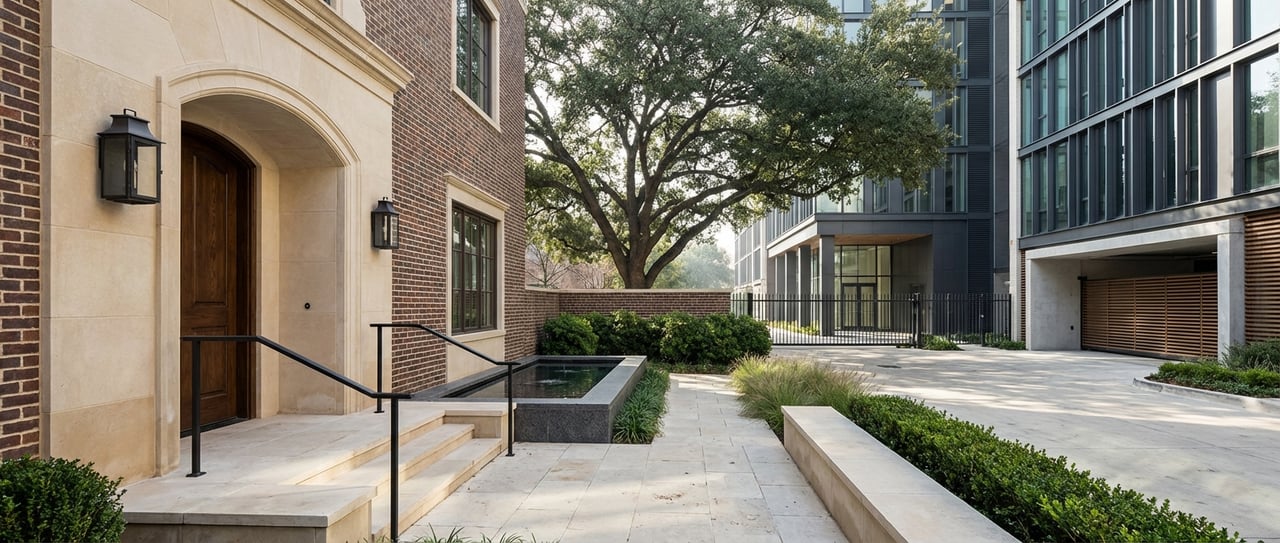
Thinking about a move to Turtle Creek and torn between a sleek high-rise or a private townhome? You are not alone. Many buyers want the park-side setting, Katy Trail access, and central Dallas convenience, but each option delivers a different daily rhythm and cost profile. In this guide, you will learn how high-rise and townhome living compare in Turtle Creek so you can match your priorities, budget, and lifestyle to the right fit. Let’s dive in.
Turtle Creek at a glance
Turtle Creek sits along a leafy corridor just west of Uptown with immediate access to Turtle Creek Park and the Katy Trail. The area is known for full-service towers and a smaller pool of infill townhomes. You get a quieter, park-oriented feel with walkability to dining, retail, and the trail.
Pricing varies by building, size, finish level, and whether you are looking at a high-rise condo or a larger townhome. Recent inventory in Turtle Creek often shows high-rise units ranging from the mid-$200s to $1M+ for most one- and two-bedrooms, with premium penthouses higher. Townhomes can range from about $500k to $5M+ depending on size, garage and outdoor space, and location within the district. Always confirm current list and sale data on a live MLS feed before you write an offer.
What high-rise living delivers
Lock-and-leave ease and services
Many Turtle Creek towers offer staffed lobbies, 24-hour concierge, valet, fitness centers, pools, and resident lounges. If you want a building that handles most day-to-day upkeep while you enjoy trail access and city views, a high-rise can be a strong match. The Renaissance on Turtle Creek is a well-known example with multiple amenity layers and an easy connection to the Katy Trail’s Beasley entrance. You can explore building-level amenities directly on the Renaissance on Turtle Creek site.
HOA dues and assessments explained
Full-service towers generally carry higher HOA dues because they fund staff, security, amenities, and major building systems. Dues often scale with unit size and services. Because shared systems age together, buyers should always review the HOA budget, reserve study, insurance declarations, and recent meeting minutes. Healthy reserves can reduce the chance of special assessments for big-ticket items like elevators and façade work. Learn why reserves matter in this overview of reserve funding and budgets.
Space, views, and parking
Most high-rise condos offer private balconies or terraces plus shared decks and amenity areas. Upper floors can capture skyline, treeline, or park views, which are a major value driver. For a feel of the view experience in Turtle Creek towers, see this feature on a park-facing residence from D Magazine’s archives about Turtle Creek high-rise living and vistas here. Secured garage parking, assigned spaces, and controlled guest entry are common, though policies vary by building.
Who thrives in a tower
If you prefer low-upkeep living, on-site services, secure covered parking, quick elevator access, and a direct connection to the trail and Uptown, a high-rise likely fits your lifestyle. Frequent travelers and downsizers often appreciate the lock-and-leave simplicity.
What townhome living delivers
Fee-simple control and privacy
Many Turtle Creek townhomes live like single-family homes in a vertical footprint. Ownership often includes the structure and may include a small yard or rooftop deck, with either no HOA or a smaller association that handles limited items like landscaping or a shared gate. For a plain-English overview of how condo and townhome ownership differ, review this consumer guide to condos vs townhouses.
Outdoor space and garages
Private outdoor areas are a hallmark of Turtle Creek townhomes. Rooftop decks, courtyards, and small yards give you space to relax or host. Private, attached two-car garages are common and provide direct, secure access. Buyers who grill, garden, or entertain frequently often prize this extra outdoor and garage flexibility.
Maintenance and HOA tradeoffs
With a townhome, you typically assume more direct responsibility for items like exterior paint, roof, and yard upkeep, especially if there is no or a small HOA. Monthly dues, when present, are often lower than full-service towers because there are fewer shared staff and amenities. Always read the community declaration and budget to confirm what the HOA actually covers.
Who thrives in a townhome
If you want more privacy, a private garage, and true outdoor space while staying within walking or biking distance of the Katy Trail and Uptown, a townhome likely suits you. Buyers who prefer more control over exterior decisions often lean this way.
Cost and financing factors to compare
Monthly costs beyond the mortgage
Budget for HOA dues, insurance, and utilities. Most condo owners carry an HO-6 policy to insure the unit interior and personal property because the association’s master policy covers common elements and the building envelope based on what is defined in the master policy. Learn the basics of HO-6 condo insurance. Townhome owners often carry a standard homeowners policy because they own the structure itself. Always verify whether the HOA master policy is all-in or bare-walls so you know your coverage needs.
Lending on condos vs townhomes
Condo buildings can be classified as warrantable or non-warrantable for conventional financing. That status, plus association finances, can affect your loan options, down payment, and rate. FHA and VA have their own approval processes. Ask your lender early about a building’s status and what that means for your loan. For a helpful overview of project approvals, see this summary of FHA and VA certification requirements.
The importance of reserves and disclosures
Before you commit, request the HOA packet, including bylaws, CC&Rs, current budget, reserve study, insurance declarations, meeting minutes, and any litigation disclosures. Strong reserves and clear disclosures reduce risk. You can read more about how reserves support building health in this guide to reserve funding strategies.
Texas condominium framework
Condominiums in Texas are governed by the Uniform Condominium Act in the Texas Property Code. It outlines how condo associations operate, what they own, and what unit owners own. You can review the statute for additional context here.
Quick decision checklist
Use this list to align your needs with the right property type:
- You want low maintenance, staffed services, secure garage parking, and easy elevator access to the Katy Trail: lean high-rise. Confirm HOA dues and what services they include.
- You want private outdoor space, a two-car attached garage, and more control over your exterior: lean townhome. Verify whether it is fee-simple or a condo-townhouse and what the HOA covers.
- You rely on conventional, FHA, or VA financing: ask your lender about condo project eligibility early and whether a building is warrantable.
- You want predictable monthly costs: request the HOA budget, reserve study, and insurance declarations. Ask about any recent or upcoming special assessments.
- You are planning long term: consider stairs and elevator access, ease of aging in place, and pet policies. Review parking assignments and guest parking rules.
Real examples in Turtle Creek
High-rise example: Renaissance on Turtle Creek
The Renaissance on Turtle Creek features full-service amenities like concierge, valet, pools, fitness centers, and a location by Turtle Creek Park with quick access to the Katy Trail’s Beasley entrance. For amenity details and location context, visit the Renaissance on Turtle Creek website.
Townhome snapshots around Turtle Creek
Recent townhome offerings around Mansion Park and near Gilbert Avenue highlight the range of options in the area. Some homes feature rooftop decks, private yards, and elevators, often paired with two-car attached garages. As inventory changes, you will see prices vary widely by size, finish level, and HOA structure, from roughly the mid–six figures into the multi-million range.
Work with a local advisor
Choosing between a high-rise and a townhome in Turtle Creek comes down to lifestyle, budget structure, and how you want to live near the trail and park. A seasoned local advisor can help you compare buildings and enclaves, review HOA health, and map your financing to the right property. If you are weighing options or want a curated list of matches, reach out to The Ryan Group to schedule a free consultation.
FAQs
How do HOA fees differ between Turtle Creek high-rises and townhomes?
- High-rises often have higher dues to fund staff, security, amenities, and major systems. Townhome dues, when present, are usually lower because there are fewer shared services. Always confirm what your HOA covers before you buy.
What is a warrantable condo in Dallas and why does it matter?
- Warrantable condos meet conventional underwriting standards, which can unlock better loan terms. Non-warrantable buildings may require larger down payments or portfolio loans. Ask your lender to check a building’s status early in the process.
What insurance do I need for a Turtle Creek condo vs a townhome?
- Condo owners usually carry an HO-6 policy for interior finishes and personal property. Townhome owners often use a standard homeowners policy because they own the structure. Verify what the HOA’s master policy insures so you are not under- or over-insured.
Are Turtle Creek buildings close to the Katy Trail and parks?
- Yes. Many Turtle Creek towers and nearby townhomes are a short walk from Turtle Creek Park and the Katy Trail. Some buildings highlight particularly convenient trail access adjacent to their lobbies.
What HOA documents should I review before buying in Turtle Creek?
- Request the declaration, bylaws, budget, reserve study, insurance declarations, recent meeting minutes, and any litigation disclosures. These reveal reserve strength, upcoming projects, and rules that affect your monthly costs and lifestyle.