Thinking about buying an older home in Lakewood? You are not alone. Many buyers are drawn to the area’s historic architecture, mature trees, and established streetscape, but charm alone should never replace careful due diligence. If you want to buy with confidence, it helps to understand what makes these homes special, what to inspect closely, and how future updates may be shaped by local rules. Let’s dive in.
Why Lakewood older homes stand out
Lakewood sits on the west side of White Rock Lake and is known for tree-lined streets and historic homes. The neighborhood developed in the early 1920s and became one of Dallas’ most sought-after areas in the late 1920s and 1930s. That long history is a big part of why buying here feels different from buying in a newer part of Dallas.
Lakewood architecture has real variety
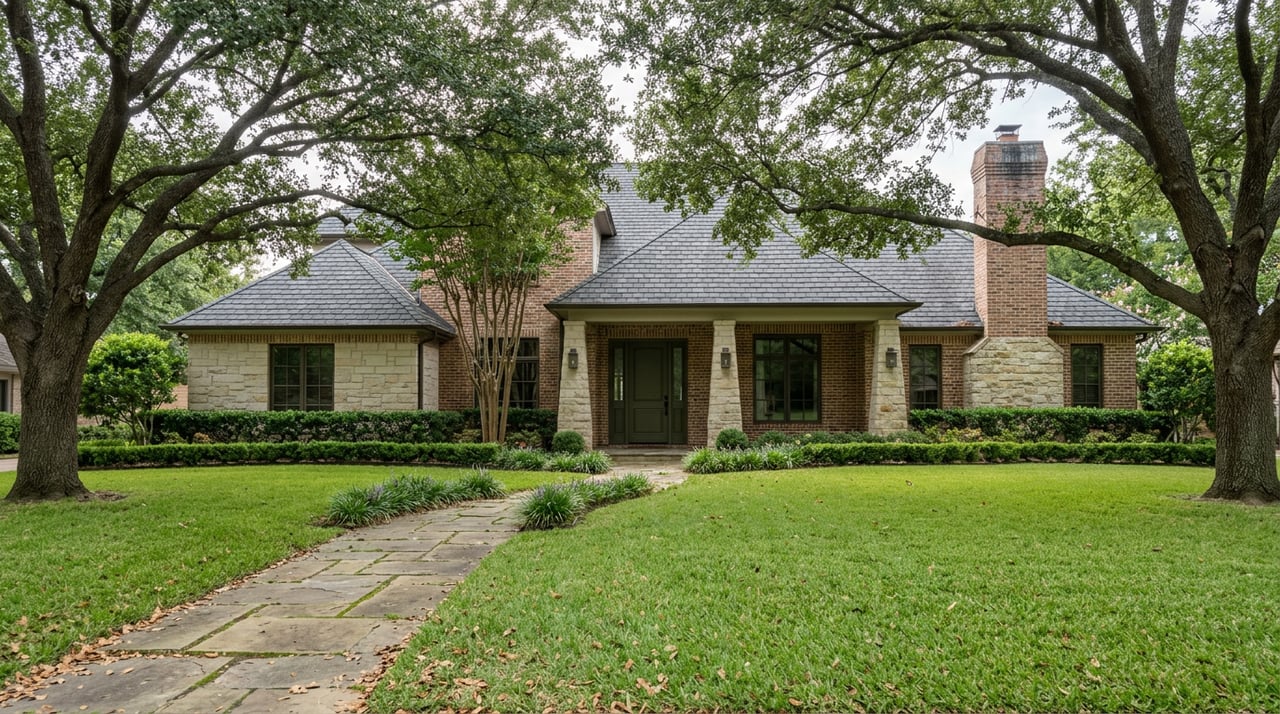
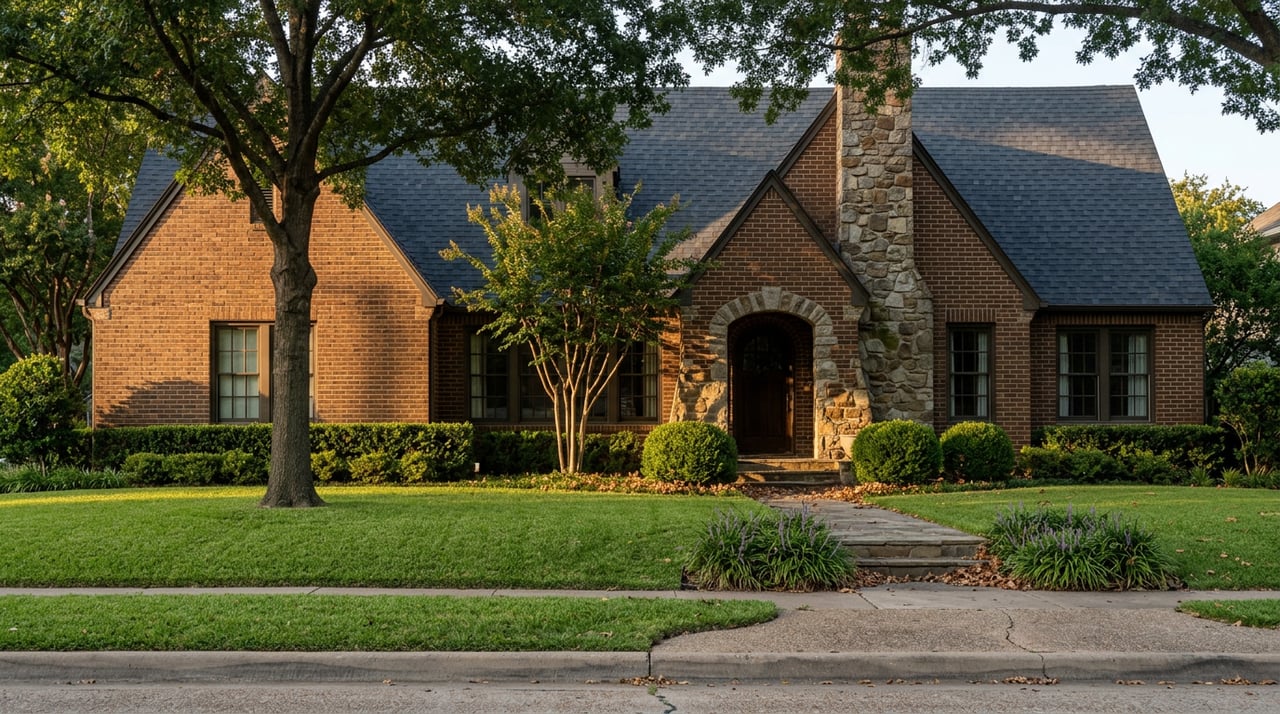
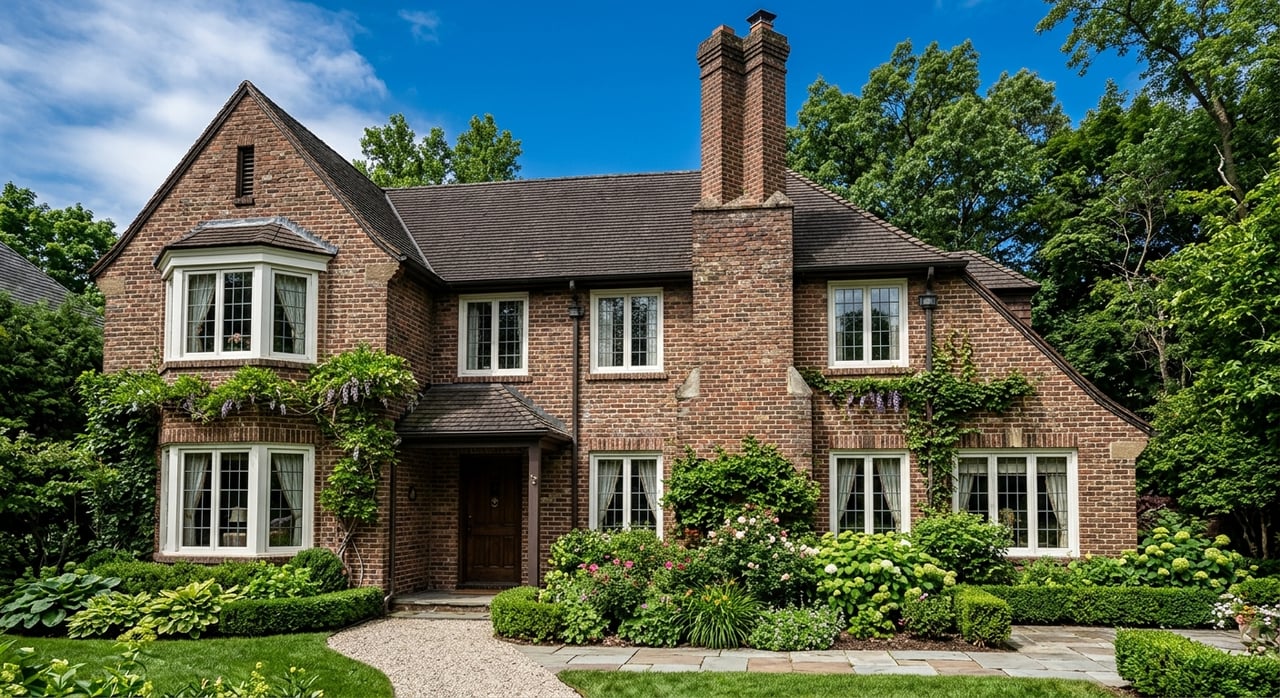
Older homes in Lakewood often reflect a mix of architectural styles. You may see French Eclectic, English Tudor, Colonial Revival, and Spanish Eclectic homes, along with later Minimal Traditional, Ranch, and Mid-Century examples. That variety gives the neighborhood visual depth and helps explain why no two blocks feel exactly the same.
Older layouts may feel different
If you are used to newer open-concept homes, an older Lakewood home may feel more compartmentalized. Many prewar homes were designed with more formal room separation. That does not make them less functional, but it does mean you should pay close attention to how the floor plan fits your daily life.
Exterior details often matter
In many older Lakewood homes, features like leaded or stained glass, front porches, chimneys, roof eaves, dormers, turrets, and multi-light windows help define the home’s character. These details can add beauty and long-term appeal. They can also affect how you approach repairs, replacements, and remodeling.
Why confidence starts with due diligence
Buying an older home is not about avoiding risk. It is about understanding the house clearly before you close. In Lakewood, that means looking past surface-level charm and focusing on the condition of the structure, systems, drainage, and materials.
Start with a thorough inspection
A standard home inspection typically reviews the structure, exterior, roof, plumbing, electrical systems, heating and air conditioning, interiors, insulation, ventilation, and fireplaces. Common findings can include foundation concerns, drainage issues, wiring problems, HVAC defects, and basic safety items. For an older home, this inspection is one of your most important tools.
Pay close attention to foundation and drainage
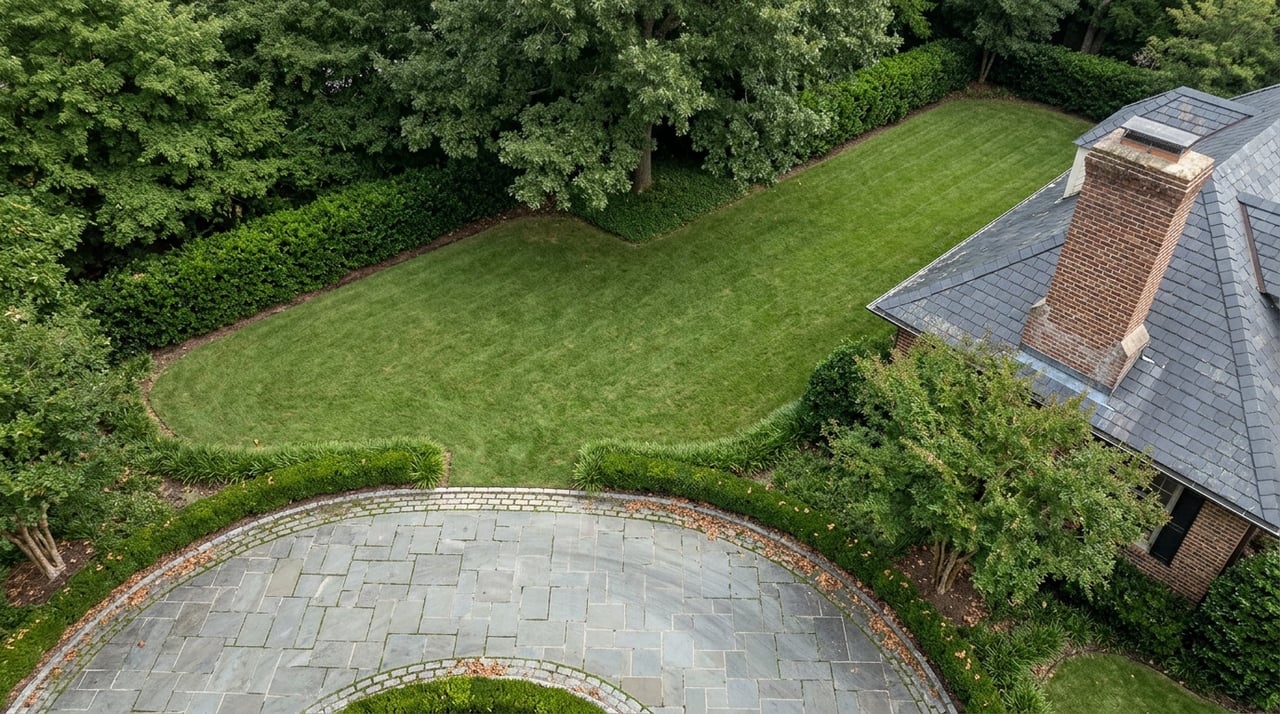
North Texas has widespread expansive soils, and that matters in Lakewood. Expansive soils can affect foundations as moisture levels change over time. That is why grading, drainage patterns, moisture management, and signs of movement deserve extra attention before you commit to a purchase.
When reviewing inspection results, ask direct questions about cracks, settling, sticking doors or windows, and any evidence of moisture intrusion. If the inspector sees signs of movement, it may be wise to ask whether a structural engineer should evaluate the property further.
Understand the limits of any inspection
Inspections do not reveal everything. Some areas may be hidden, blocked, or inaccessible, such as certain attic spaces, crawlspaces, or wall cavities. If part of the home cannot be fully reviewed, you should understand how that limits the inspector’s conclusions.
Older-home issues to evaluate carefully
Older homes can come with materials or conditions that need extra care. That does not mean you should walk away. It means you should gather the right information early.
Wood-destroying insects require a Texas-specific review
In Texas real estate transactions, the official Wood Destroying Insect report addresses the visible presence or absence of wood-destroying insects and conditions that may contribute to infestation. It is important to know that this report is limited to visible and accessible areas. It is not a structural damage report, and it is not a warranty.
For a Lakewood home, ask whether there is visible evidence of insects, prior treatment, or conducive conditions such as moisture or wood-to-soil contact. That kind of context can help you plan next steps and avoid surprises after closing.
Lead-based paint may be a factor
If you are buying a pre-1978 home, lead-based paint should be on your radar. According to the EPA, the older the home, the more likely it contains lead-based paint. Buyers of pre-1978 homes should receive disclosure information, and if renovation work will disturb painted surfaces, trained and certified professionals should handle that work.
Asbestos cannot be confirmed by sight
Asbestos is another issue that may come up in older homes. Suspect materials cannot usually be identified just by looking at them. If you plan to remodel and may disturb older materials, a trained and accredited professional should sample them first.
Renovating without losing Lakewood character
Part of buying in Lakewood is respecting the features that make the neighborhood distinctive. The City of Dallas created conservation districts to help conserve an area’s character through development and architectural standards. That can affect what you do to a home’s exterior.
Conservation district rules can shape your plans
If a property is inside a Lakewood conservation district tract, certain exterior changes may require review for compliance with district standards. This is especially important if you are thinking about replacing windows, changing rooflines, altering porches, repairing masonry, or building an addition. The issue is not only whether a project is possible, but also how closely the finished work must match the original home.
Material matching matters more than many buyers expect
Current Lakewood district materials show that some work may need to match original materials in type, size, profile, color, texture, coursing, mortaring, and joint detailing. Certain original elements, such as chimneys, dormers, stained or leaded glass, porches, roof eaves, turrets, and window or door openings, may need to be maintained or replicated. This can affect both your timeline and your renovation budget.
Verify the exact tract early
Not every property will be governed in exactly the same way. Before you buy, confirm whether the home sits within a Lakewood conservation district tract or another overlay. That simple step can give you a clearer picture of what exterior updates may trigger review.
Smart questions to ask before closing
One of the best ways to buy with confidence is to ask focused questions early. The right questions can help you understand both immediate repair needs and long-term ownership costs.
Questions for the inspector
- What evidence do you see of foundation movement, settling, or moisture intrusion?
- Do you recommend a structural engineer follow-up?
- Are any attic, crawlspace, or concealed areas inaccessible?
- How does limited access affect your confidence in the report?
- Is there visible or prior evidence of wood-destroying insects or conditions conducive to infestation?
- Should we assume or test for lead-based paint?
- Are there any materials that should be sampled for asbestos before remodeling?
Questions for a contractor
- If we change windows, roofing, siding, masonry, or porches, what Lakewood conservation district standards may apply?
- How would you match original materials and preserve character-defining details?
- If the home is pre-1978, are you trained for lead-safe renovation work?
- How would you handle any suspect asbestos materials before remodeling?
Questions for your agent
- Is the property inside a Lakewood conservation district tract or another overlay?
- What exterior work is likely to trigger review?
- What permit, repair, and inspection history is available for the roof, foundation, plumbing, electrical system, and exterior updates?
- Which updates should be budgeted soon after closing, and which ones may be deferred?
How to balance charm and practicality
The best Lakewood purchases usually happen when you hold two ideas at once. First, the architectural charm is real and worth appreciating. Second, older homes require a more careful review of condition, maintenance history, and future improvement plans.
That balance is where confidence comes from. You do not need a perfect house. You need a clear understanding of what you are buying, what may need attention, and how local character standards could shape future work.
Why local guidance matters
In a neighborhood like Lakewood, local knowledge can make the process smoother. A buyer who understands the neighborhood’s history, common housing styles, remodeling realities, and inspection priorities is better positioned to make a smart decision. That is especially true when you are evaluating older systems, budgeting improvements, or deciding whether a home’s layout and condition match your goals.
At The Ryan Group, we believe buying an older home should feel exciting, not uncertain. If you want thoughtful guidance on Lakewood homes, renovation considerations, and the details that matter before you close, The Ryan Group is here to help.
FAQs
What makes older homes in Lakewood different from newer Dallas homes?
- Older Lakewood homes often reflect early- to mid-20th-century architecture, more formal room separation, and exterior details such as porches, chimneys, dormers, and multi-light windows.
What should you inspect first when buying an older home in Lakewood?
- Pay special attention to the foundation, drainage, roof, plumbing, electrical systems, HVAC, and any signs of moisture intrusion, along with the overall inspection findings.
Why is foundation review important for Lakewood homes?
- North Texas has widespread expansive soils, so moisture changes can affect foundation performance and make grading and drainage especially important.
What does a Texas wood-destroying insect report cover in a Lakewood home purchase?
- It covers visible evidence of wood-destroying insects and conditions conducive to infestation in accessible areas, but it is not a structural damage report or a warranty.
What should you know about lead paint in an older Lakewood home?
- If the home was built before 1978, lead-based paint may be present, and buyers should receive disclosure information before closing.
Can you remodel an older home in Lakewood however you want?
- Not always. If the property is in a Lakewood conservation district tract, some exterior work may need review and may have to meet specific architectural and material standards.
What should you ask before replacing windows or changing the exterior of a Lakewood home?
- Confirm whether the home is in a conservation district tract and ask what standards apply to windows, rooflines, porches, masonry, and material matching before finalizing plans.