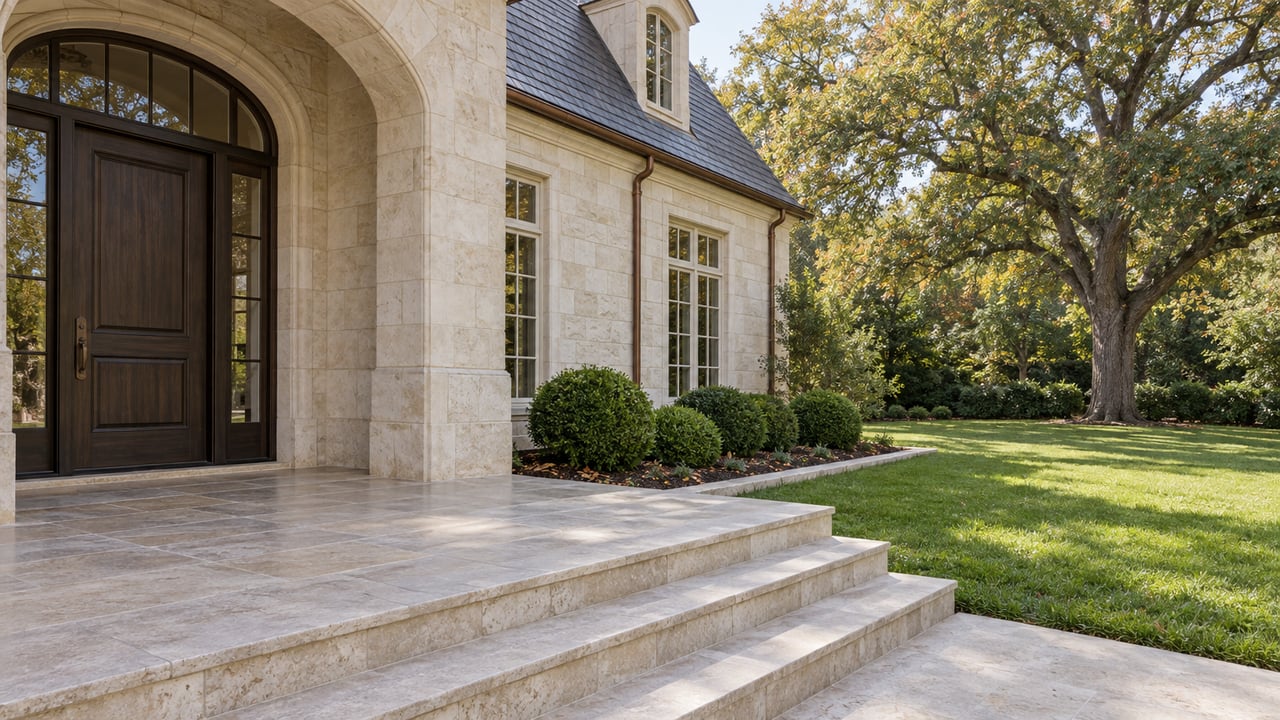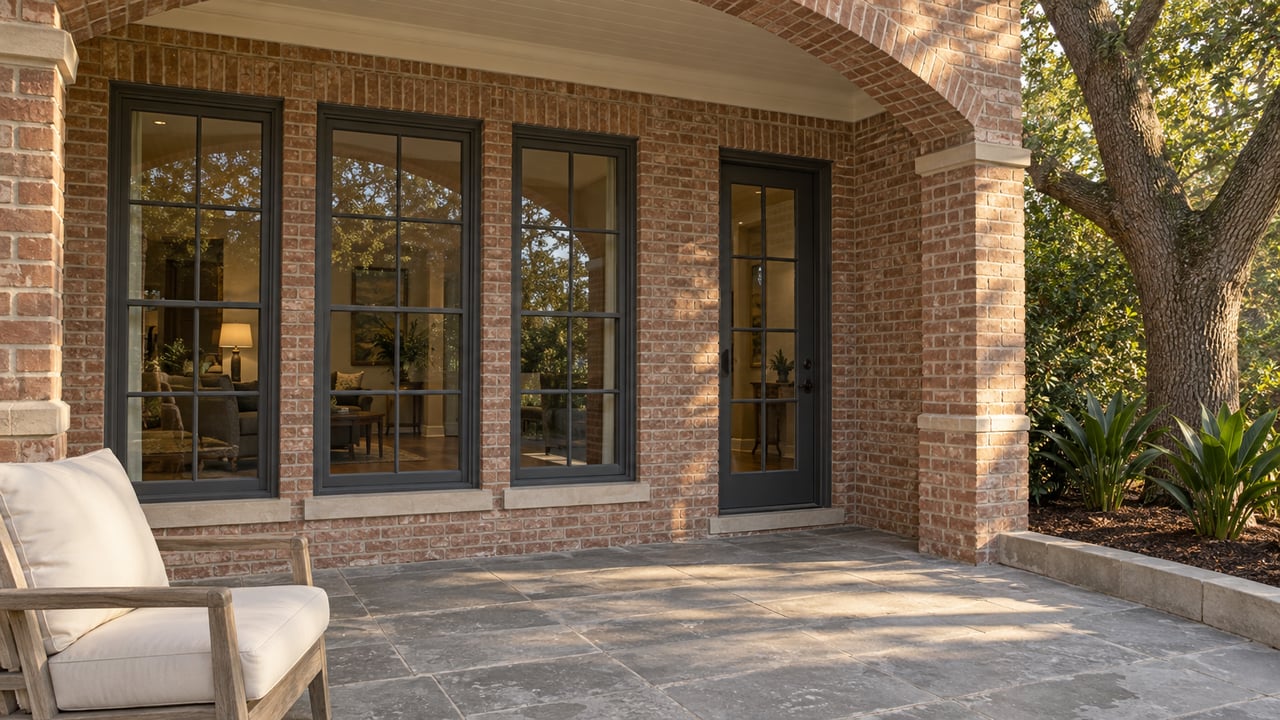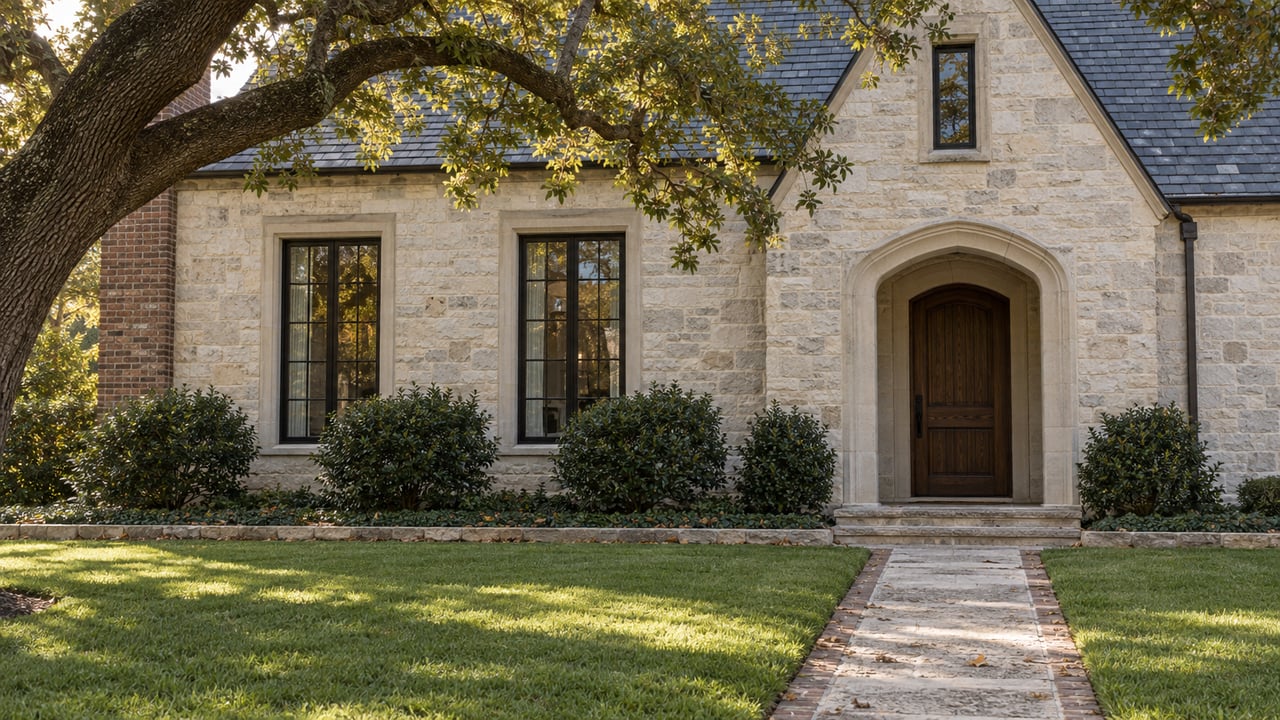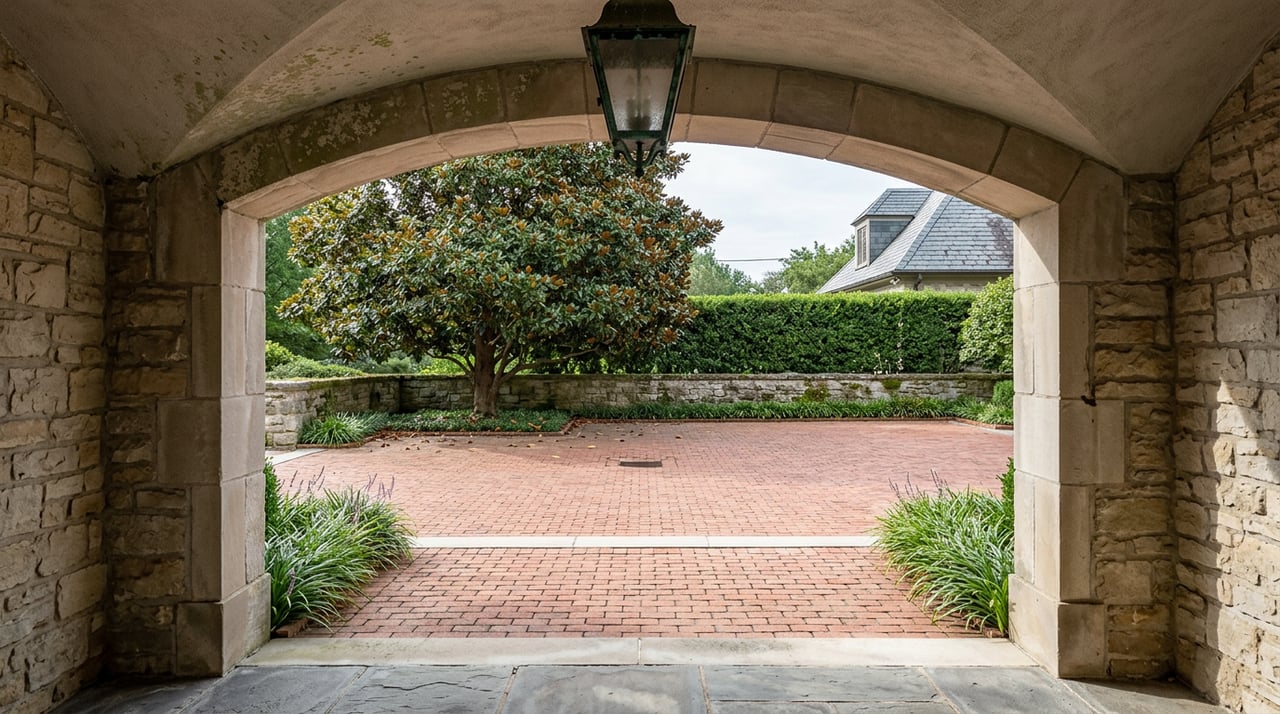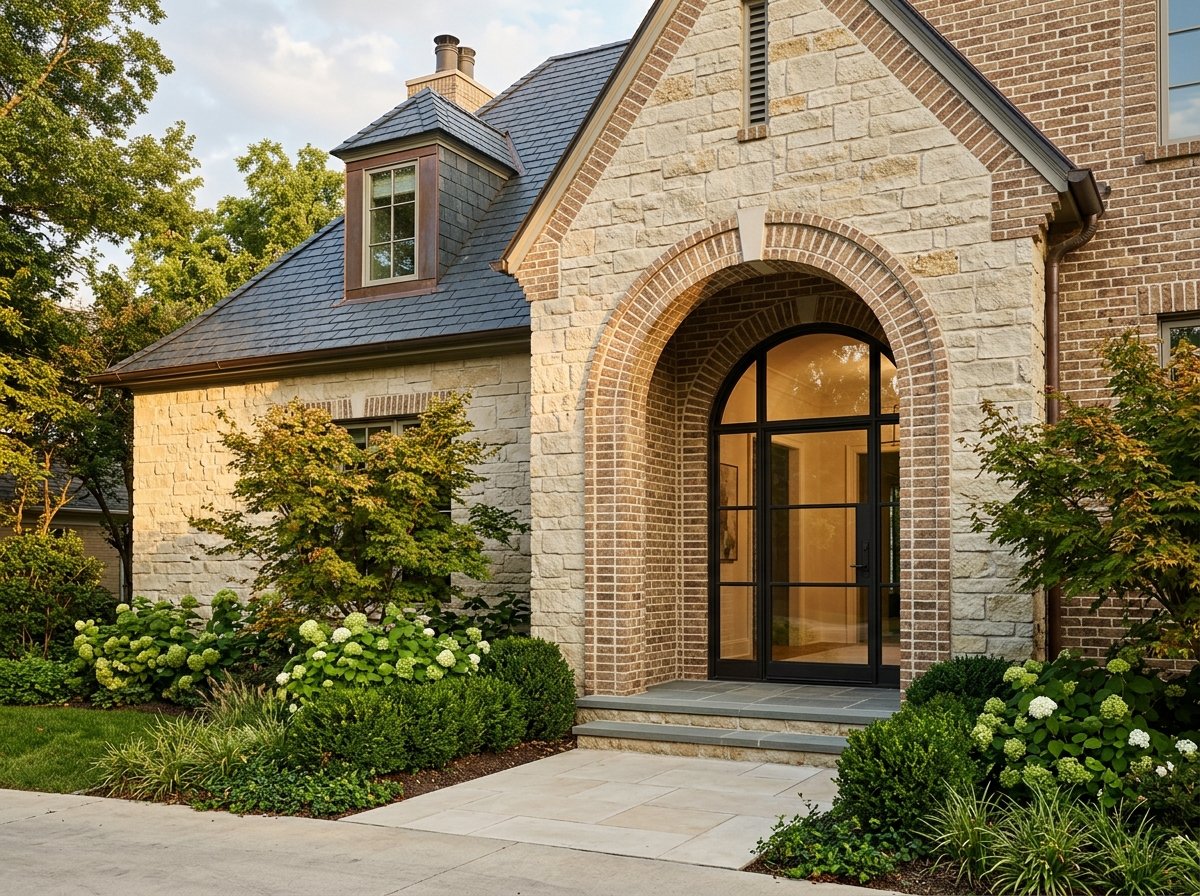
If you are selling a custom or architect-designed home in Bluffview, you are not selling a standard house. You are selling a design story, a site story, and a buyer experience that often starts long before someone walks through the front door. In a neighborhood shaped by topography, mature trees, and architect-led design, the details matter. Let’s look at how to position your home so buyers understand what makes it special.
Why Bluffview Requires a Different Selling Strategy
Bluffview stands apart from many Dallas neighborhoods because the land itself helped shape the homes. Preservation Dallas notes that Bluffview Estates opened in 1924 on a former 215-acre dairy farm, with raised topography, a 60-foot bluff along Bachman Creek, and lots that worked around existing trees and unusual site conditions.
That history helps explain why so many homes here feel distinct rather than repetitive. Architects like Charles Dilbeck and O’Neil Ford were drawn to the area, and that legacy still influences how buyers view Bluffview today.
The market data supports that premium positioning. Realtor.com currently shows Bluffview with a median listing price of $2.35 million, 17 homes for sale, and a median of 33 days on market, while the broader 75209 zip code shows a lower median sale price and longer market time. For sellers, that means your home should be marketed as part of a special submarket, not folded into a generic Dallas pricing conversation.
Start With Provenance
When a home is custom or architect-designed, buyers want proof of pedigree. That starts with clear documentation of the architect, builder, year built, major renovations, and any notable collaborators tied to the property.
If your home has been published, received design recognition, or involved a respected builder or architect, that should be part of the listing package from the beginning. In Bluffview, buyers are often paying attention to provenance just as much as they are paying attention to finishes.
A strong pre-listing file may include:
- Architect name
- Builder name
- Original construction year
- Dates of major remodels or additions
- Publication history, if any
- Design awards or notable recognition
- Available original plans or design drawings
This kind of material does more than add polish. It helps buyers understand why the home matters.
Tell the Site Story Clearly
In Bluffview, the lot is often part of the value. Mature trees, creek adjacency, bluff views, irregular lot lines, privacy, and drainage patterns can all shape how a buyer sees the property.
That is why the strongest marketing for a Bluffview home usually starts with the site, not the square footage. Preservation Dallas and D Magazine both point to the neighborhood’s rolling topography, winding creek land, and tree-preserving layout as defining characteristics. A buyer should quickly understand that the home was designed in response to the land, not simply built on it.
Your marketing should explain details like:
- How the home is oriented on the lot
- What views or privacy the site creates
- How outdoor spaces connect to the house
- Whether the lot shape influenced the floor plan
- What mature landscaping contributes to the setting
For many Bluffview homes, the right message is simple: this house could only exist here.
Verify Property Facts Before You List
Unique homes invite more questions than standard resales. That is not a problem, but it does mean you need clean, consistent property information before the home hits the market.
Dallas Central Appraisal District, or DCAD, can help confirm public record details such as square footage, lot information, and ownership-related records. DCAD says it appraises properties at least once every three years and may update characteristics based on comparable sales, cost data, income data, or property corrections. For a custom home, checking that record early can help avoid confusion later.
It is also smart to compare your marketing narrative against the public record. If your plans, appraisal details, prior additions, and current measurements do not align, buyers may hesitate or ask more pointed follow-up questions during due diligence.
Prepare Texas Disclosures Early
For most previously occupied single-family homes in Texas, the Seller’s Disclosure Notice is required. The Texas Real Estate Commission says this form must be used with contracts entered into on or after September 1, 2023, and the standard One to Four Family Residential Contract (Resale) is the usual form for resale transactions.
For a one-of-a-kind property, your disclosures should match the actual condition and history of the home as closely as possible. That includes the survey, remodel history, and any site-specific facts a buyer is likely to ask about.
Early preparation can help you avoid last-minute surprises. It also supports a smoother, more confident buyer conversation.
Address Overlay and Change Restrictions Up Front
Some buyers of architecturally notable homes want to preserve what is there. Others want to know what they may be able to change in the future. Either way, this question often comes up early.
The City of Dallas says landmark districts are protected by ordinance and require a Certificate of Appropriateness before work begins on a property in that district. The city also notes that conservation districts include ordinance-based development and architectural standards.
If your property is in one of these overlays, it is best to verify that before listing. Even if it is not, buyers often appreciate clear guidance on whether future changes may be limited by the property’s setting or status.
Market the Lifestyle, Not Just the Specs
Custom homes tend to show their value in how they live. Buyers may notice square footage and finish quality, but what often sticks is the feeling of the home.
That is especially true in Bluffview. Dallas News coverage of local custom homes has highlighted features like folding exterior doors, multiple pools, cabanas, outdoor showers, saunas, courtyards of mature trees, and outdoor living rooms. These are not just amenities. They show how architecture, privacy, and landscape work together.
When presenting your home, focus on features buyers can imagine using every day:
- Natural light throughout the home
- Privacy created by the lot and landscaping
- Indoor-outdoor flow
- Guest quarters or flexible living areas
- Outdoor rooms and entertaining spaces
- Connections to trees, courtyards, or views
A custom home should feel like a complete composition. The listing should help buyers see that.
Use the Right Comparables
Pricing a custom or architect-designed home in Bluffview requires care. The Dallas Morning News has noted that Bluffview boundaries are often used loosely and that the wider area can vary significantly in value.
That means comparable sales should be selected with a narrow lens. Lot size, topography, design quality, architectural significance, renovation level, and exact location within the area can matter more than a broad neighborhood label.
For sellers, this is where experienced local guidance becomes important. A generic comp set may miss the features that actually drive value for a special property.
Be Ready for Site Questions
Bluffview buyers often ask detailed questions about the land as much as the house. Floodplain status, drainage behavior, tree preservation, and airport proximity may all come up, especially for bluffside or creek-adjacent properties.
The City of Dallas says property owners can estimate whether a property lies in the 1% annual chance floodplain by using DCAD, the city’s zoning GIS, or FEMA resources. The city also provides floodplain and drainage management guidance that can help clarify site conditions.
The best approach is not to avoid these topics. It is to address them calmly, factually, and early. Transparency tends to build confidence, especially with sophisticated buyers.
What a Strong Bluffview Listing Package Includes
In this part of Dallas, presentation should be backed by documentation. A polished photo set matters, but the strongest listings also include supporting material that answers questions before they slow down momentum.
A thoughtful listing package may include:
- Original plans, if available
- Architect and builder background
- Major renovation timeline
- Permit history, if available
- Current survey
- Tree or drainage notes
- Verified property details from public records
- Clear photography showing how the house sits on the site
That combination helps serious buyers understand both the emotional appeal and the factual foundation of the property.
Why Stewardship Matters When Selling in Bluffview
A custom home sale is rarely a plug-and-play process. It takes careful pricing, clear documentation, tailored storytelling, and a steady hand when detailed buyer questions come in.
That is where a neighborhood-specific, high-touch approach can make a real difference. In a market like Bluffview, selling well often means translating design, land, and construction detail into a message buyers can trust.
If you are preparing to sell a custom or architect-designed home in Bluffview, working with a team that understands both the neighborhood and the mechanics behind a distinctive property can help you go to market with more clarity and confidence. If you want tailored guidance on pricing, preparation, and positioning, schedule a free consultation with The Ryan Group.
FAQs
What makes selling a custom home in Bluffview different?
- Bluffview homes often derive value from both design pedigree and site characteristics, so pricing and marketing need to reflect architecture, lot conditions, privacy, trees, topography, and buyer intent.
What documents should you gather before listing a Bluffview architect-designed home?
- Start with the architect and builder names, year built, renovation history, original plans if available, survey, permit history, and any publication or design recognition tied to the home.
What should sellers disclose for a single-family home in Texas?
- For most previously occupied single-family homes, the Texas Seller’s Disclosure Notice is required, and it should accurately reflect the home’s condition, history, and known property details.
Why do lot and site details matter so much in Bluffview?
- Many Bluffview homes were designed around unusual lots, mature trees, creek land, and bluff topography, so the site often explains both the design and the value.
How should a Bluffview custom home be priced?
- It should be priced using pocket-specific comparable sales that account for design quality, lot size, topography, location, and renovation level rather than broad neighborhood labels alone.
Should sellers verify floodplain or drainage information before listing in Bluffview?
- Yes. Site-related questions are common in Bluffview, and early verification of floodplain and drainage information can help buyers feel better informed during the process.