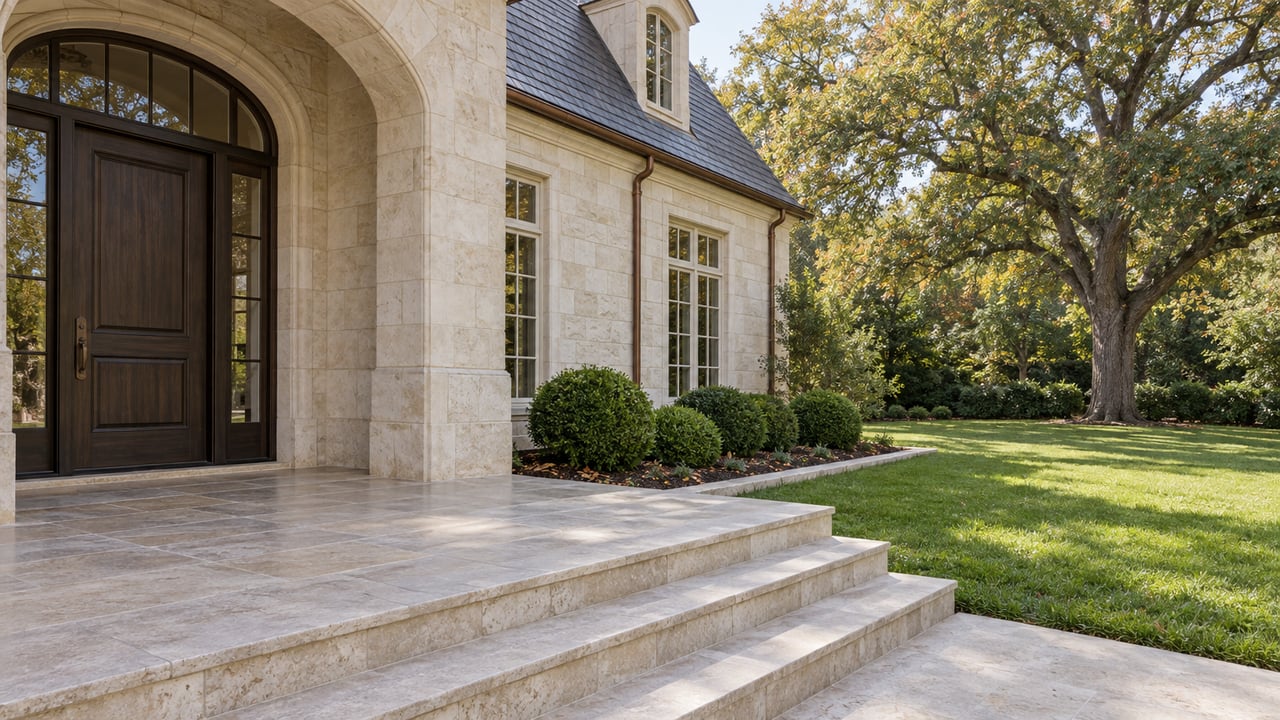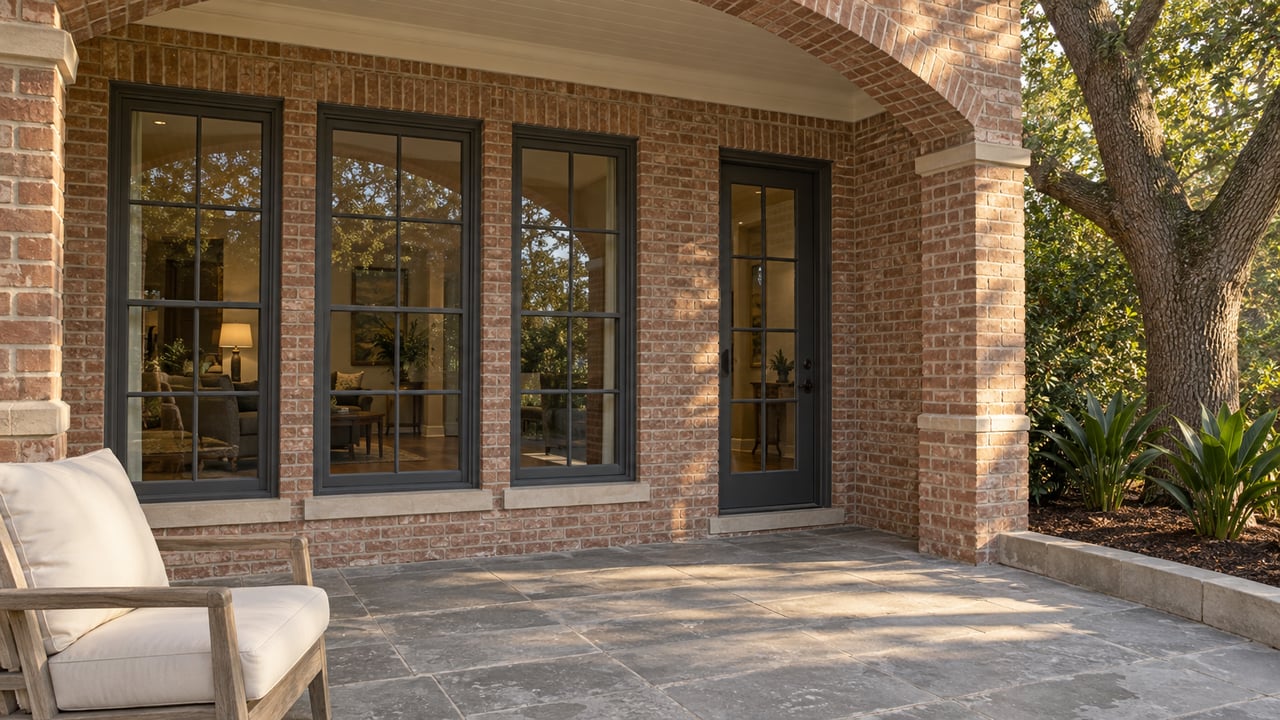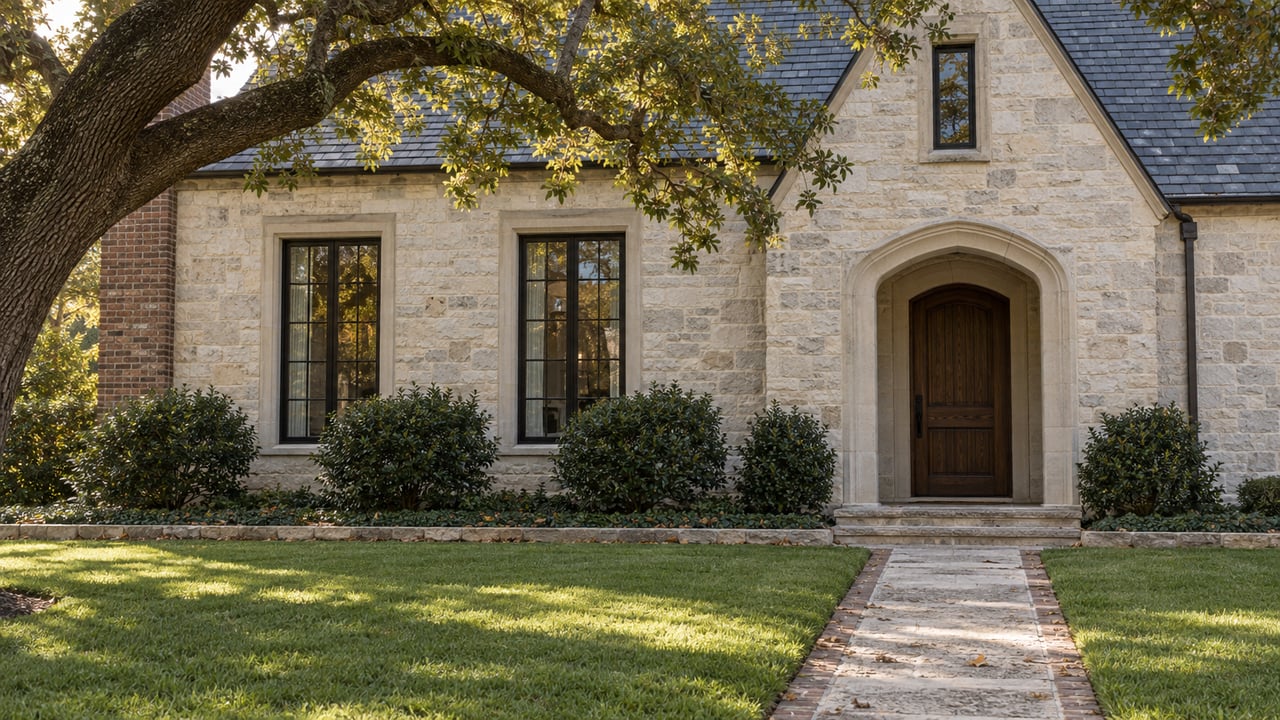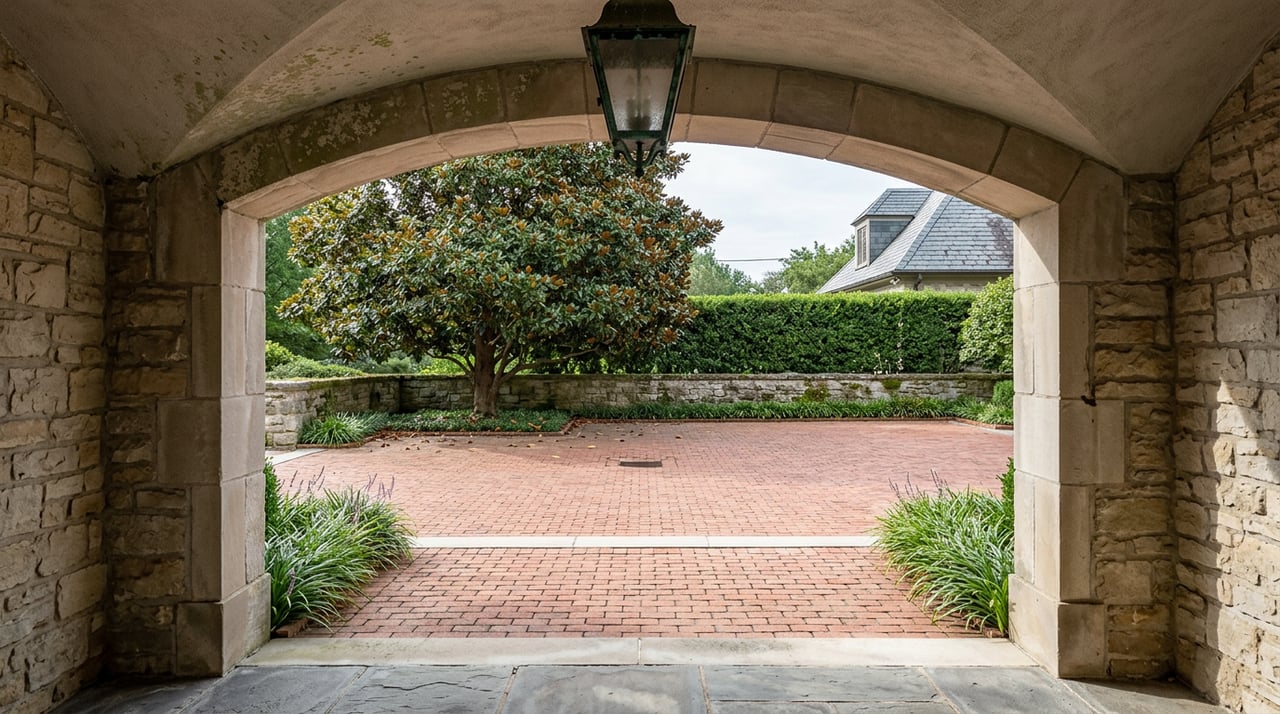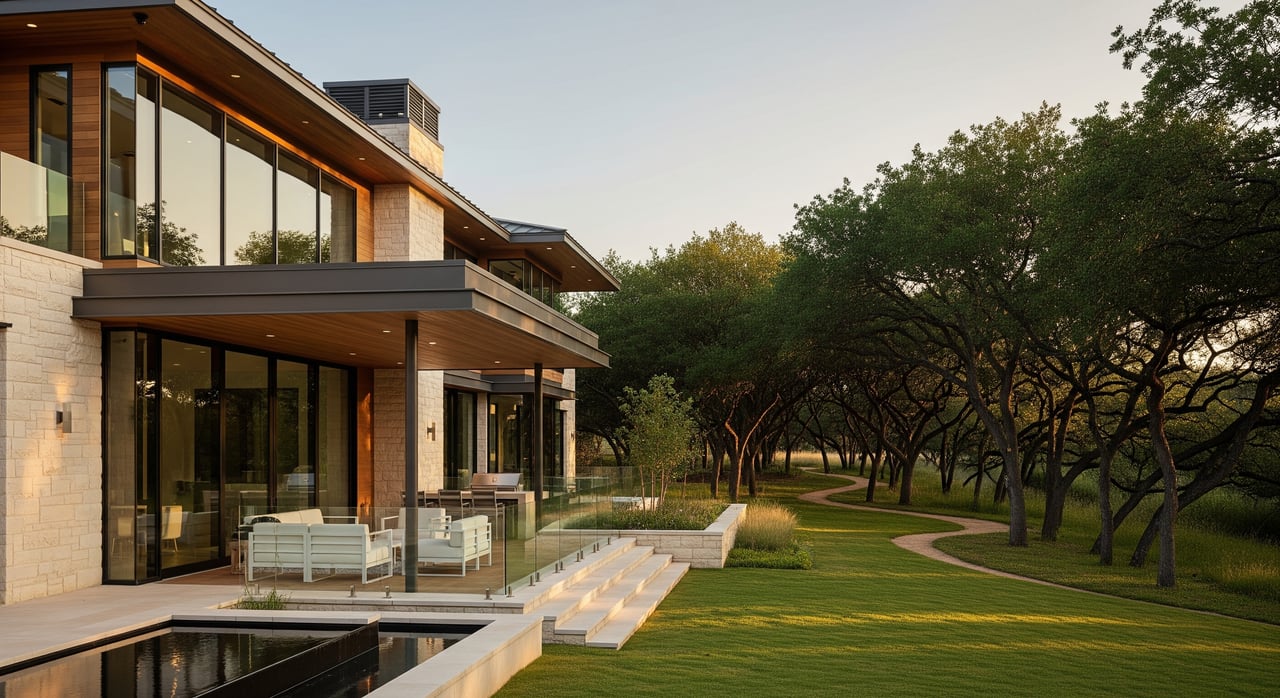
If you have ever walked Greenway Parks and noticed living rooms and patios looking onto long ribbons of trees instead of the street, you have seen the greenbelts shaping daily life. In this Dallas neighborhood, those landscaped corridors do more than add beauty. They influence how homes are placed on lots, how private your yard feels, how you walk the block, and how a property shows to buyers. In this guide, you will learn what the privately maintained greenbelts are, how they impact design and lifestyle, and what to verify before you buy or sell in Greenway Parks. Let’s dive in.
What makes Greenway Parks unique
Greenway Parks is known for integrated green space corridors that run between lots and along blocks. These greenbelts are a defining feature that influence street patterns, lot shapes, and the public face of many homes. Local sources describe them as privately maintained rather than city parks, which means rules and upkeep are guided by a neighborhood or homeowners association structure.
Because private arrangements can vary, always confirm current governance and maintenance with the neighborhood association and official records before making decisions. Ownership may be fee-simple by the association, an easement across private lots, a city right-of-way, or a hybrid. The exact setup affects rules, access, maintenance, and liability.
How greenbelts shape lot orientation and design
Greenbelts influence how homes sit on the land and where you direct everyday living.
Adjacency types you will see
- Linear greenbelts that thread between rear or side property lines.
- Wider greenway spines or landscaped commons behind or between blocks.
- Connector paths within the greenbelts, sometimes formal and sometimes informal.
- Tree-lined setback strips along streets that visually link public and private spaces.
Orientation and living spaces
If a lot backs to a greenbelt, you often see living rooms, kitchens, patios, and major windows oriented toward the corridor. Some homes present a quieter curb presence on the street while “facing” the greenbelt with outdoor seating and glass. Irregular lot lines and deeper rear setbacks are common, which can influence where you place pools, accessory buildings, and garden features.
Driveways, garages, and curb presence
When the active outdoor life is along the greenbelt, garages and driveways are typically sited toward the street in a more utilitarian way. Meanwhile, the private side opens to the greenscape. This split can create the feeling of a dual-frontage home: everyday living toward the greenbelt, circulation and vehicles toward the street.
Landscaping continuity
Continuous greenbelts create visual unity across multiple lots. Mature canopy and layered plantings blur individual property lines and give the sense of a larger park-like setting, even though the land is privately maintained.
Privacy and day-to-day experience
Greenbelts change privacy dynamics. Understanding how can help you tailor landscaping and expectations.
Visual privacy
These corridors often provide a soft visual buffer. You can enjoy long views through trees instead of looking at a fence or alley. That said, shared corridors do not function like fully enclosed yards. Many owners use layered shrubs, trees, and approved fence treatments to fine-tune privacy where allowed by neighborhood rules.
Acoustic privacy and activity
Vegetation and distance can reduce street noise. In areas with maintained pathways or commonly used segments, you may hear neighbor foot traffic and conversation at certain times of day. Walking the area at different times will help you gauge activity levels and sound.
Security and access
Private greenbelts can come with rules about access and use. If there is informal or open access, consider sightlines from windows and lighting along paths. Buyers often ask about hours, permitted activities, and how maintenance is handled. Confirm those details in neighborhood documents.
Walkability and lifestyle benefits
One of the biggest draws is everyday walkability inside the neighborhood. Continuous greenbelts and internal paths create low-traffic routes for dog walks, stroller loops, and morning runs. In some cases, the corridors mainly support local circulation and recreation. In others, they may connect to nearby blocks or amenities. The true advantage depends on how the specific greenbelts around your lot are configured.
Curb appeal and long-term enjoyment
Greenbelts add a signature look to Greenway Parks that many buyers love.
- Visual continuity creates a distinct identity and a park-like feel as you move through the neighborhood.
- Architectural choices often favor big windows and outdoor rooms oriented to greenbelt views, which can make a home feel more open and connected to nature.
- In Dallas’ climate, broadleaf evergreens, shade trees, and seasonal plantings help curb appeal year-round. Deciduous canopy also brings seasonal changes in shade and views.
Environmental and comfort impacts
Mature trees provide shade and help reduce heat in summer. Evapotranspiration and shade can improve outdoor comfort and potentially reduce cooling loads. Some greenbelts support stormwater infiltration and may include drainage features like swales or rain garden elements. In practice, you should also watch for maintenance needs that come with trees and drainage in Dallas, including pruning cycles, irrigation upkeep, and mosquito control.
Marketability and value signals
Adjacency to high-quality green space is often perceived as a lifestyle amenity. In Greenway Parks, that can translate into stronger buyer interest for properties that enjoy views, walkability, and a cohesive landscape.
Who tends to value it
Many buyers who prioritize outdoor living, daily walks, and neighborhood character are drawn to greenbelt-facing lots. The shared greenscape can be a differentiator compared with conventional backyards.
Common trade-offs
Some buyers prefer a fully private yard. If a corridor is open, heavily used, or has limited screening, they may see it as a drawback. Others weigh maintenance fees, rules on fencing and plantings, or potential for informal use against the benefits. Clear information and on-site experience help buyers make the right call.
Pricing and appraisal considerations
Industry research broadly supports a positive relationship between proximity to well-maintained green space and buyer desirability, but the effect varies by market and the quality of the greenbelt. Appraisers will compare sales of other greenbelt-adjacent homes and adjust for orientation, lot size, condition, and the quality of the greenscape. Historic overlays, continuity of canopy, and documented maintenance commitments can also influence value perceptions.
What to verify before you buy or sell
Accuracy matters because greenbelt ownership and rules can vary. Use this checklist to confirm the details that impact enjoyment, resale, and liability.
Verify ownership and legal status
- Review the subdivision plat, deed, and neighborhood covenants to confirm whether the greenbelt is HOA property, an easement, or a city right-of-way.
- Order or review a current land survey to confirm boundaries, encroachments, and recorded easements.
Review HOA and municipal documents
- Read HOA meeting minutes, budgets and reserve studies, maintenance contracts, and any special assessment history linked to the greenbelt.
- Check City of Dallas records if any permits, right-of-way, or stormwater features involve city oversight.
Inspect physical conditions on site
- Walk the greenbelt at different times to observe use, noise, shade patterns, and privacy.
- Note drainage, standing water, and any erosion or root impacts near hardscape or foundations.
- Check tree health and pruning history. Consider an arborist review for large specimen trees near structures.
Title, insurance, and risk management
- Confirm title exceptions and any easements related to the corridor.
- Ask for common-area insurance details, including coverage and limits.
- If you are financing, confirm whether your lender or insurer requires special disclosures or endorsements for proximity to common areas.
Features to document for a listing
If you are preparing to sell, clear documentation and strong visuals help buyers understand the value.
- Exact adjacency: rear, side, or both.
- Corridor width and vegetation: narrow 6–10 feet or wider 20-plus feet.
- Paths, lighting, benches, and visible drainage features.
- Tree canopy characteristics and notable specimen trees.
- Fencing permissions and how the yard interfaces with the corridor.
- Orientation of main living areas and patios toward the greenbelt.
Great photography makes a difference. Capture morning and late-afternoon light, sightlines from interior rooms to the greenscape, and how privacy is achieved with plant layers.
Seller strategy in Greenway Parks
A strong plan addresses both presentation and paperwork.
- Prepare HOA and city documents, surveys, and any recent arborist or maintenance reports for buyer review.
- Highlight daily-life benefits: walkability loops, outdoor rooms, and seasonal shade.
- Be ready to speak to maintenance history, reserve planning, and any upcoming work.
- Consider targeted pre-sale improvements that elevate curb appeal and outdoor living. If you need help coordinating or funding select updates, ask about using Compass Concierge through a qualified listing program to streamline prep.
Buyer touring tips
Bring a short checklist on your first and second visits.
- Stand in key rooms and note views, light, and privacy toward the greenbelt.
- Walk the corridor at different times to assess activity, sound, and lighting.
- Look for drainage patterns after rain and check for standing water.
- Ask about rules on fencing, plantings, and access hours.
- Review the survey and title documents early so you understand boundaries and easements.
The bottom line
Greenway Parks’ privately maintained greenbelts shape how homes live, look, and sell. For many buyers, the result is a rare blend of outdoor connection and neighborhood character. For sellers, it is a unique story to tell with clear documentation and thoughtful presentation. Whether you are exploring your options or prepping a listing, you deserve guidance that combines neighborhood insight with practical, step-by-step help.
If you are considering a move in Greenway Parks or nearby Dallas neighborhoods, reach out to The Ryan Group to talk strategy and next steps.
FAQs
What is a privately maintained greenbelt in Greenway Parks?
- A landscaped corridor integrated into the neighborhood that is maintained under private arrangements, often guided by an association and recorded rules, rather than operated as a city park.
How do greenbelts affect home orientation and design?
- Homes often face living spaces and patios toward the corridor, with garages and driveways oriented to the street, which influences window placement, yard use, and curb presence.
Do greenbelts increase privacy for homeowners?
- They can provide a soft visual buffer and long views, but because the corridors are shared, owners often rely on layered landscaping and approved fencing to fine-tune privacy.
What should buyers verify before purchasing a greenbelt-adjacent home?
- Confirm ownership and easements, review HOA budgets and rules, inspect drainage and tree health, and check title exceptions and insurance coverage related to common areas.
How does greenbelt adjacency influence resale value in Dallas?
- Proximity to well-maintained green space often boosts desirability, but appraisers rely on comparable sales and adjust for orientation, lot features, and the quality of the greenbelt.
Are there extra costs or obligations tied to the greenbelts?
- There can be HOA dues, reserve funding, or special assessments for maintenance; review budgets, maintenance records, and any upcoming projects before you commit.