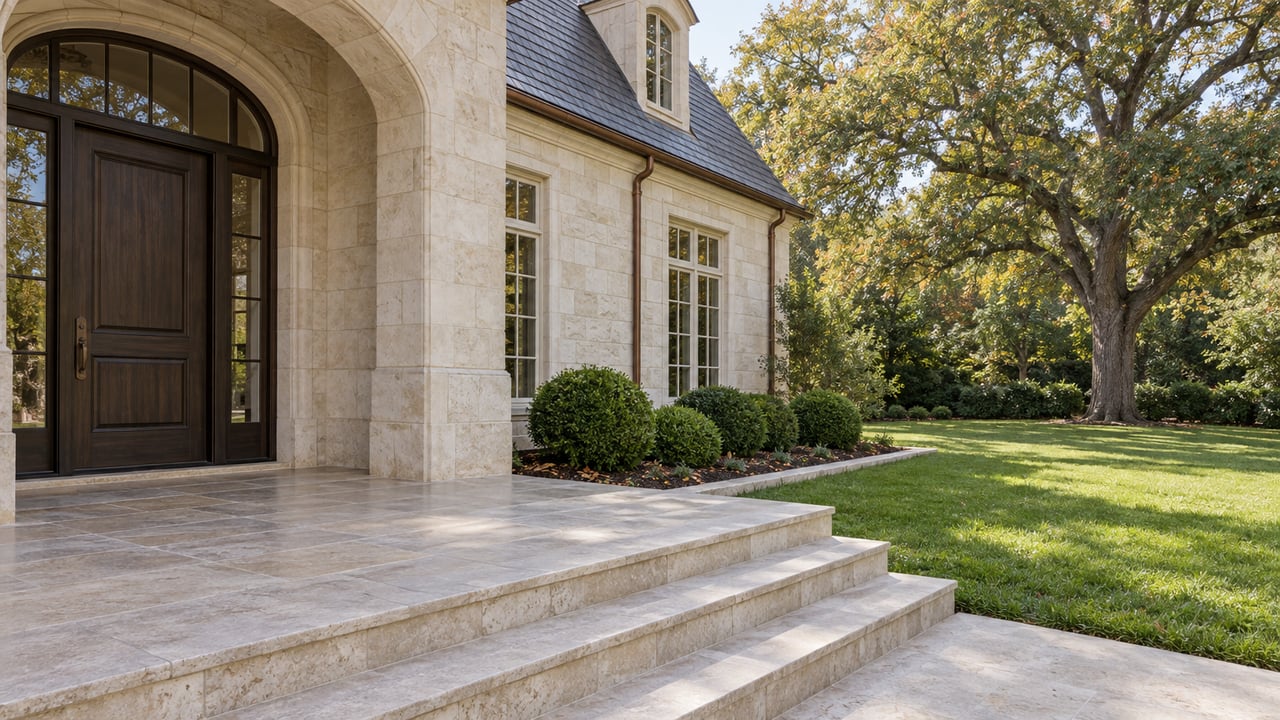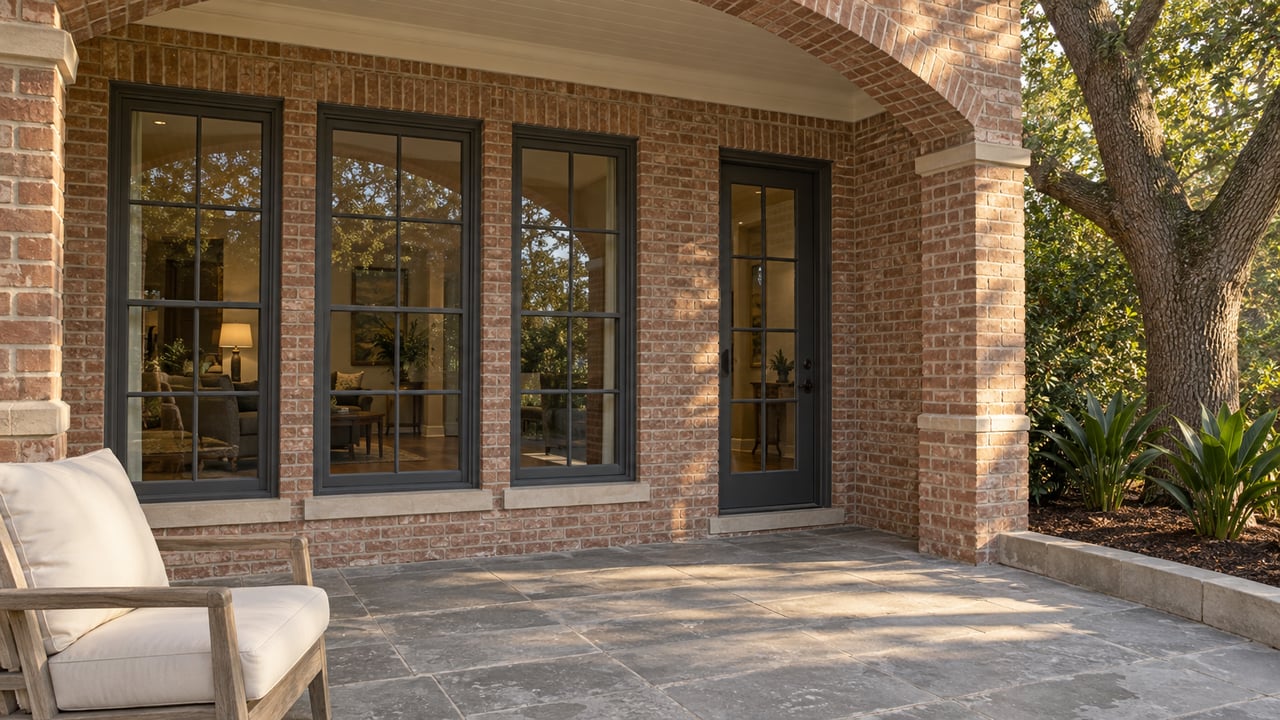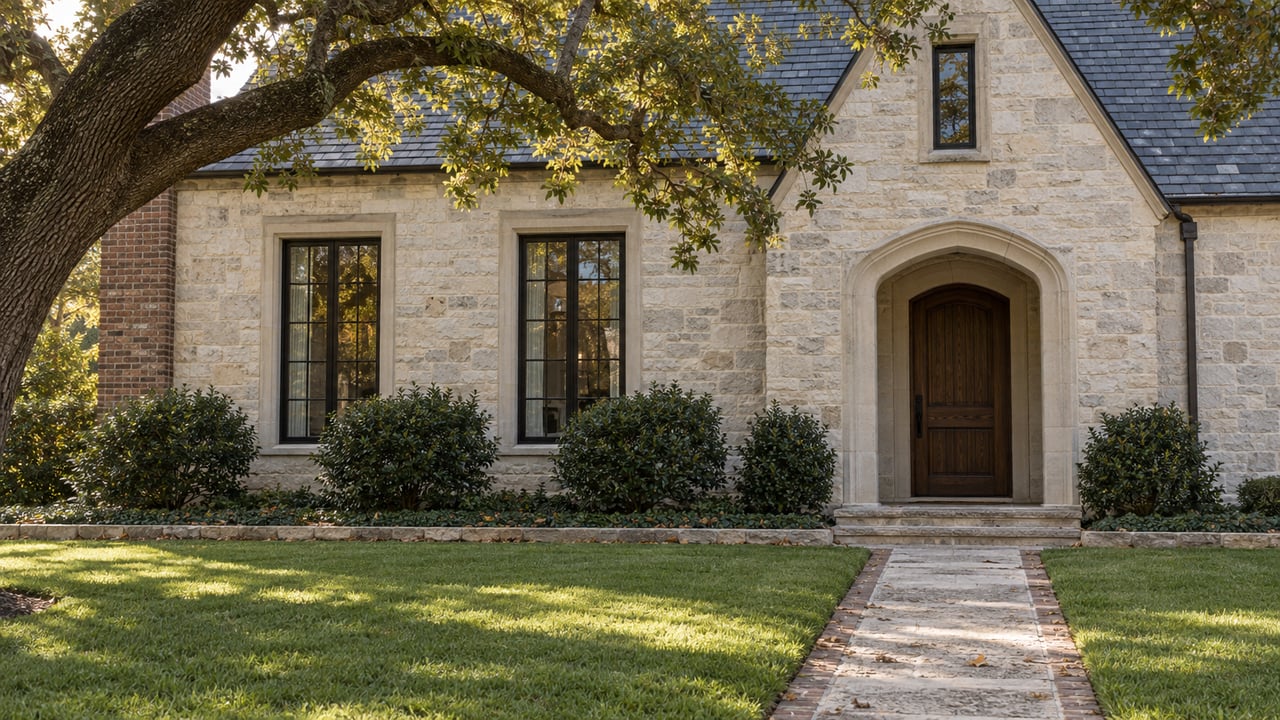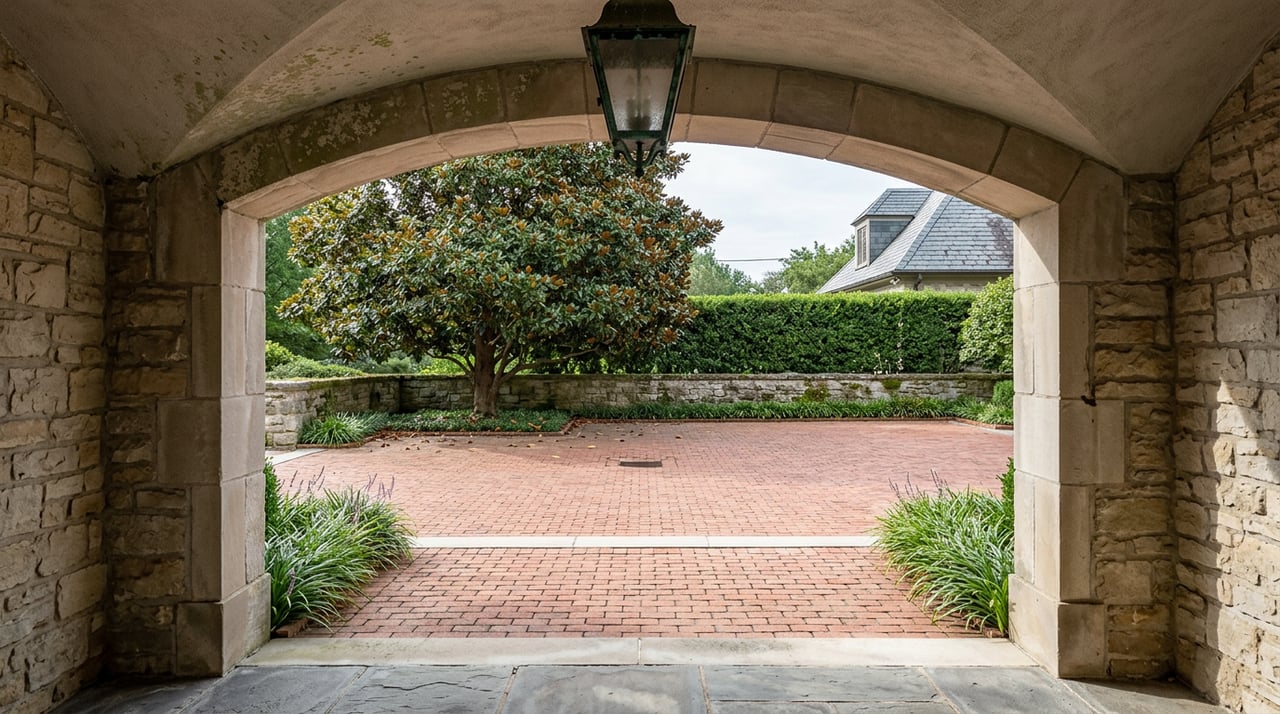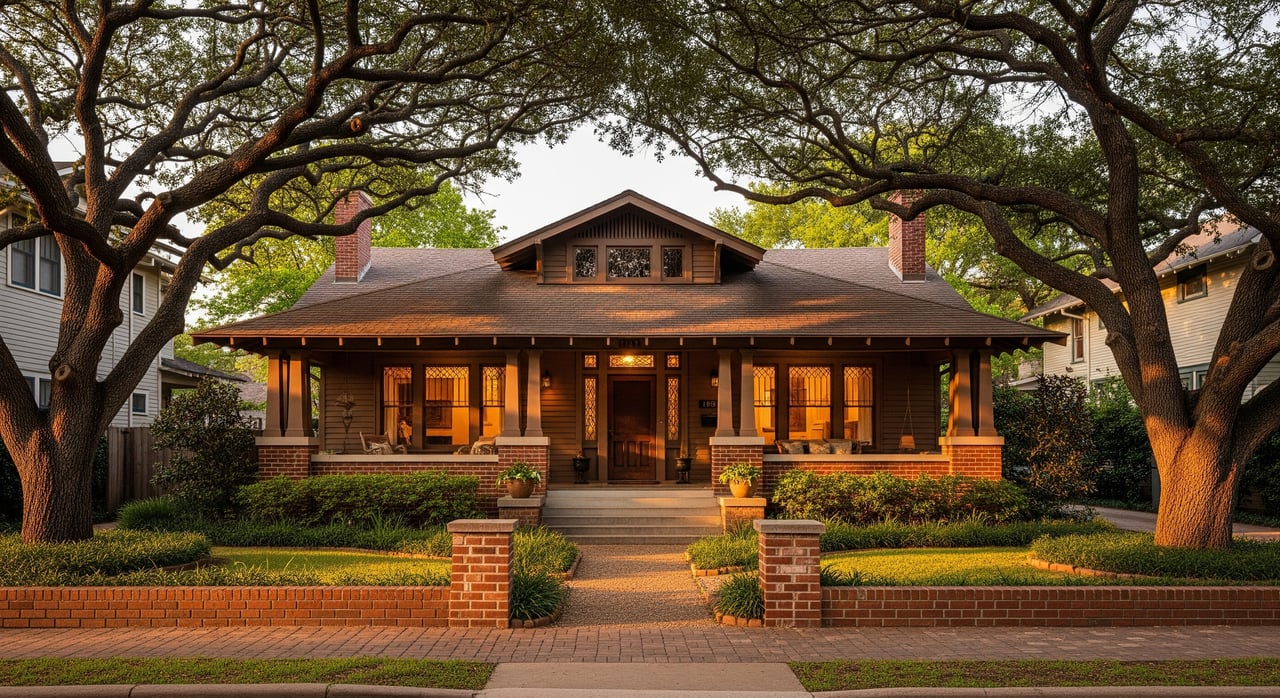
Thinking about buying or renovating in Lakewood? One local rule can shape your plans more than anything else: the conservation district. If you love the neighborhood’s tree‑lined streets, porches, and classic rooflines, these districts are a big reason why. In this guide, you’ll learn what conservation districts are, how they work in Lakewood, what projects typically need approval, and how to plan updates with less stress. Let’s dive in.
What a conservation district is
A conservation district is a planning tool used to protect a neighborhood’s overall character. The goal is to keep scale, massing, setbacks, roof forms, and streetscape patterns consistent, without the feature‑by‑feature rules of a formal historic district.
Compared to historic districts, conservation districts tend to be more flexible. You’re aiming for compatibility over strict restoration. New construction can fit well when it respects the area’s look and feel, especially from the street.
Most rules focus on what is visible from the public right of way. That usually includes additions, new homes, façade changes, garages and driveways, fences, and major landscape features. Interior work and routine maintenance are usually not part of the design review.
How Lakewood districts work
In Lakewood and East Dallas, conservation districts typically start with neighborhood support. Residents work with the city to draft guidelines, maps, and a statement of intent. The city then adopts those documents, which become part of local planning regulations for the district.
Day‑to‑day reviews are generally handled by city planning or preservation staff, or a designated review body. Before permits are issued, qualifying projects must receive approval that shows they meet the adopted guidelines. If there is a dispute, an appeals process is usually available.
Typical triggers for review include new homes, additions that affect the street view, roofline changes, demolition or relocation, front‑facing garage work, and significant fencing or driveway changes. Like‑for‑like repairs are often approved administratively when they match existing materials and details.
What guidelines usually cover
Conservation guidelines in Lakewood and nearby East Dallas districts tend to focus on preserving how the neighborhood looks and feels from the street. Expect clear direction on the items below.
Site and setbacks
Guidelines often call for keeping front setbacks consistent with neighboring homes. New work should maintain the spacing and rhythm of the street, including porch and entry relationships. The goal is a cohesive streetscape.
Massing and scale
Additions and new homes should match the typical height and proportions on the block. Large second stories on a street of single‑story homes may need to be stepped back or designed to be visually subordinate.
Roofs and rooflines
Roof pitch, ridge lines, dormers, and eave depths are common focus points. New or modified roofs should read as compatible with surrounding homes rather than starkly modern from the street.
Porches and entries
Front porches and covered entries are often considered character‑defining. Guidelines may discourage major changes to the primary façade or moving the entry to a different location.
Materials and windows
You’ll usually find guidance to use compatible materials, like wood lap siding, brick, or stucco that fits the context. On street‑facing façades, window sizes and patterns should feel consistent with the neighborhood. Very large glass walls or incompatible window styles may be discouraged.
Garages and driveways
Where and how a garage faces the street is a big topic. Many guidelines prefer detached garages at the rear or designs that do not let the garage dominate the front elevation. Driveway width and placement can also be addressed to reduce visual impact.
Fences and landscaping
Front yard fences and walls typically have height and transparency limits to maintain sightlines and the open feel of front yards. Mature shade trees often get special attention, and separate city tree ordinances may apply to removals.
Demolition and relocation
Demolition of structures that contribute to neighborhood character is often the most sensitive request. Expect extra scrutiny, possible delays, and requirements to study alternatives.
Color and sustainability
Paint color is less commonly regulated, though many districts recommend historically appropriate palettes. Energy upgrades are often welcome when placed discreetly, for example, solar panels located on rear roof planes.
What to expect as a buyer
If you are considering a home in Lakewood, take time to understand the specific district rules before you write an offer. Here is a practical checklist to streamline your due diligence:
- Confirm whether the property sits inside a conservation district and get the official district map.
- Ask for the adopted design guidelines, recent exterior permits, and any city correspondence about past or pending work.
- Review private deed restrictions or HOA covenants, which can be stricter than city rules and apply in addition to the district.
- Determine whether the home is identified as contributing or non‑contributing, if the district uses that classification.
- Contact the neighborhood association to learn about typical projects and precedent approvals.
By gathering documents early, you avoid surprises and can price renovations realistically.
Planning a project at your home
If you already own in Lakewood, planning and sequencing make all the difference. Use this step‑by‑step approach to reduce revisions and delays:
- Start early with the city.
- Schedule a pre‑application meeting with planning or preservation staff. This clarifies what needs a review and what can be approved administratively.
- Hire the right team.
- Choose an architect or designer and a contractor experienced with local conservation work. They know what reviewers expect and how to show compatibility.
- Document the design.
- Prepare clear drawings that demonstrate setbacks, massing, roof forms, materials, and window patterns. Include photos of surrounding homes.
- Plan for review time.
- Expect design review before building permits. Allow time for possible revisions and neighborhood notification if required.
- Protect trees and site.
- Check city tree rules and whether removal or pruning of large trees needs separate approval or mitigation.
Documents to gather
Having the right records on hand will speed your process:
- Adopted conservation district guidelines and official map
- Any prior approvals, variances, or city correspondence for the property
- Private deed restrictions, covenants, and plat notes
- A recent survey or site plan, especially for additions
- Photos of existing conditions and street views
Timeline and likely outcomes
Not all applications are equal. Here is what you can typically expect:
- Minor repairs and in‑kind replacements are often handled quickly and administratively.
- Additions and new construction are reviewed for compatibility. Modifications are common and usually aim to fine‑tune massing, rooflines, or materials rather than deny the project outright.
- Demolition is the most sensitive category and faces the greatest scrutiny, possible delays, or denial.
Common Lakewood pitfalls
A few issues tend to catch owners off guard. If you plan ahead, you can avoid most of them.
- Multiple layers of rules. Zoning, conservation district guidelines, and private deed restrictions may all apply. You must comply with each layer.
- Contributing status. Some districts note whether a home contributes to neighborhood character. The label can change how demolition or major alterations are reviewed.
- Neighborhood practice vs. text. Neighborhood expectations can sometimes exceed what the written guidelines say. Speak with the association to understand local precedent.
- Staged approvals. Design approvals are not building permits. Code, structural, and safety reviews still follow.
- Time and cost. Reviewing drawings and making revisions takes time. Local professionals help you get to yes faster.
Project examples and tips
Every block is a little different, but these patterns come up often in Lakewood:
- Second stories. Often possible, but they work best when stepped back from the street and scaled to read as compatible with predominant one‑story neighbors.
- Front‑facing garages. Commonly discouraged if they dominate the façade. Rear or side placements tend to review more smoothly.
- Window replacements. On front elevations, maintaining proportions and patterns is key. Like‑for‑like replacements are typically simpler.
- Modern touches. Energy upgrades are welcome when they are discreet and do not change the public view of the home’s character.
Work with a local advisor
If you are weighing a purchase or planning an update in Lakewood, you do not have to navigate this alone. A local, construction‑savvy real estate team can help you understand district boundaries, read guidelines, gather documents, and connect you with the right designers and contractors. Thoughtful guidance early on can save you time, money, and rework.
Ready to talk through options, timelines, and next steps for your Lakewood home? Connect with The Ryan Group for a free, local perspective on what will work best on your block and how to plan a smooth review.
FAQs
What is a conservation district vs. a historic district in Dallas?
- A conservation district focuses on overall neighborhood character and compatible design, while a historic district regulates specific historic features and often requires stricter restoration.
How can I tell if a Lakewood home is in a conservation district?
- Ask for the official district map and adopted guidelines for the address, and confirm with city planning staff or the neighborhood association.
Which exterior changes usually need approval in Lakewood?
- New construction, additions visible from the street, roofline changes, demolition or relocation, and significant garage, driveway, or front‑yard fencing work typically trigger review.
Can I add a second story to a Lakewood home in a conservation district?
- Often yes, but the design must respect massing and roof forms on the block, and stepping the second story back from the street is a common condition.
Are ADUs or detached garages allowed in Lakewood conservation districts?
- Generally, yes, when they remain subordinate in size and follow guidelines for location, scale, and materials so they do not dominate the streetscape.
Do I need approval to replace windows or a roof in Lakewood?
- Like‑for‑like replacements are usually straightforward, but changes to visible materials, proportions, or muntin patterns on front façades typically require review.
How are mature tree removals handled in Lakewood?
- Tree removals are often regulated under separate city tree ordinances, and conservation guidelines typically emphasize retention, so expect an added approval step.
How do deed restrictions interact with conservation district rules?
- You must comply with both; private deed restrictions or HOA covenants can be stricter than city rules and apply in addition to the district guidelines.
Who enforces Lakewood conservation district guidelines and what if I disagree?
- The city enforces guidelines through the permit process, and most districts provide an appeals path if you wish to contest a decision.