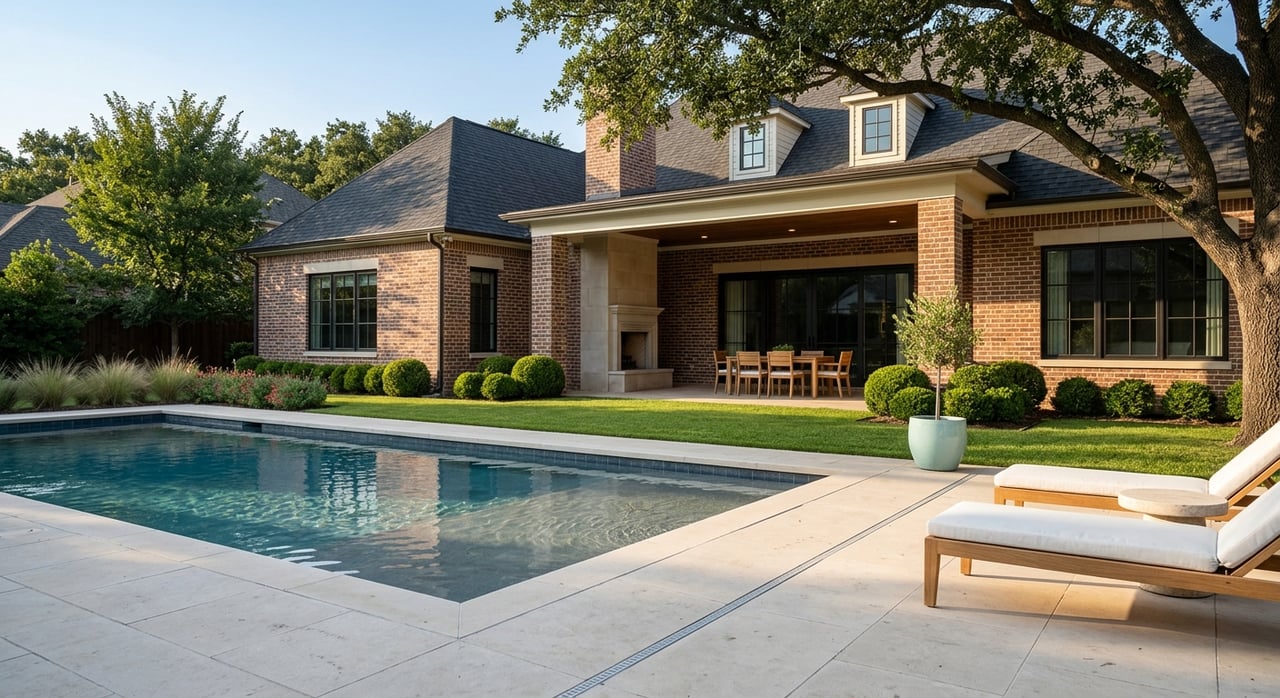
Dreaming about a better backyard in Lakewood? You are not alone. In a neighborhood shaped by historic homes, mature trees, and life near White Rock Lake, outdoor living is less about copying a resort and more about creating a space that feels comfortable, timeless, and true to the house. This guide will walk you through outdoor living ideas that fit Lakewood’s setting, climate, and architectural character so you can plan with more confidence. Let’s dive in.
Why Lakewood Outdoor Living Feels Different
Lakewood has a natural connection to outdoor living. The neighborhood sits on the west side of White Rock Lake, and the area is known for tree-lined streets and historic homes. White Rock Lake itself is a 1,015-acre city lake with a 9.33-mile hike-and-bike trail, picnic areas, pavilions, boat ramps, and other recreation features.
That setting shapes what feels right at home. In Lakewood, the most appealing outdoor spaces often feel shaded, relaxed, and integrated with the landscape rather than wide open and highly exposed. The goal is usually comfort and compatibility, not excess.
Start With Lakewood’s Climate
Before you choose pavers, patio furniture, or planting beds, it helps to start with the weather. NOAA climate normals for Dallas show average daily highs of 91.4°F in June, 95.9°F in July, and 96.4°F in August, with 37.66 inches of annual precipitation.
That means shade, airflow, and drainage should lead the design. A beautiful patio that gets full afternoon sun with no breeze relief may look good in photos but feel hard to use in August. In Lakewood, the smartest outdoor spaces are designed to stay livable through long, hot summers.
Use a Porch-First Approach
Front porches are an important part of Lakewood’s architectural character. Local conservation-district materials treat porches as key design features and emphasize compatibility in style, scale, massing, setbacks, colors, and materials.
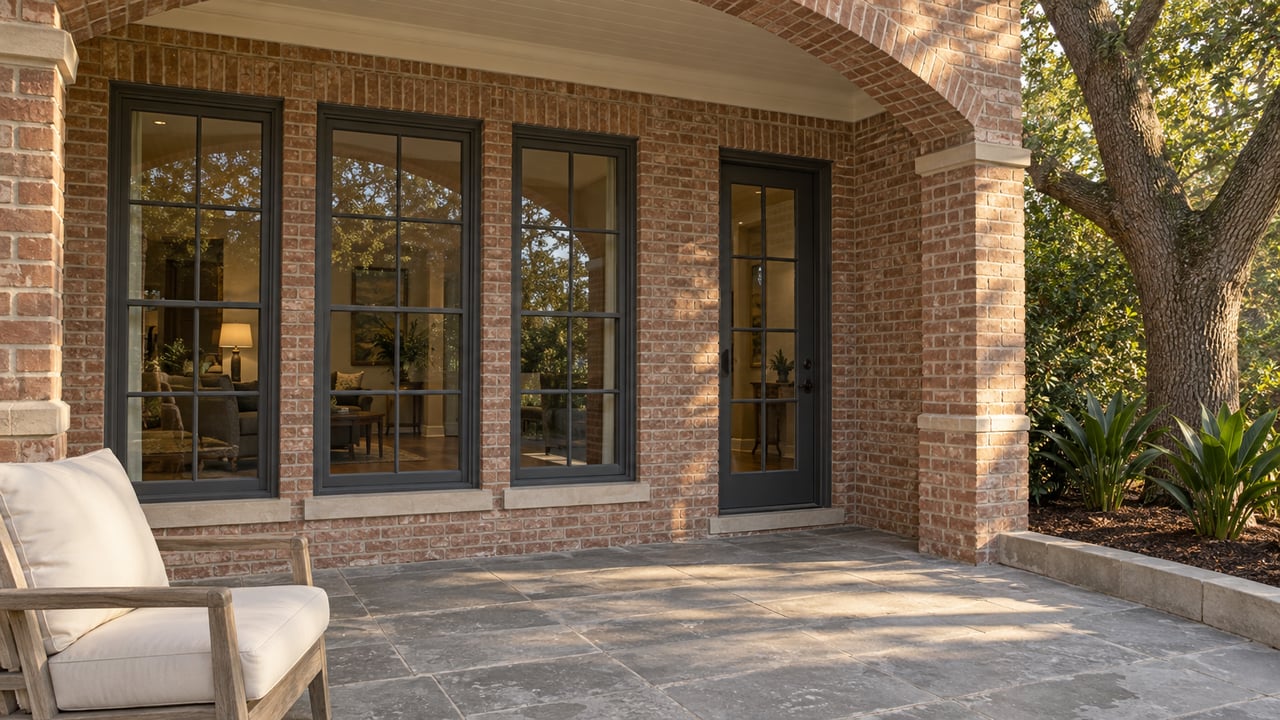
If your home has a porch, that is often the best place to begin. A wide covered porch, comfortable seating, and subtle lighting can create an outdoor room that feels original to the house instead of added later. For some homes, a screened sitting area can also work well when it stays visually light and uses transparent glass or screen.
Porch Ideas That Fit Lakewood
- Deep seating with simple, durable cushions
- Ceiling fans to improve airflow
- Soft lighting for evening use
- Painted or stained finishes that match the home
- Planters that complement the porch scale rather than overwhelm it
The most successful porch updates usually feel quiet and natural. They support the architecture instead of competing with it.
Build Shaded Living Space in Back
Rear patios and side-yard seating areas often offer the most flexibility. Local district materials explicitly include pergolas, arbors, workshops, storage buildings, pool houses, and carports within accessory-structure definitions, which supports the idea of creating outdoor rooms beyond the front porch.
For many Lakewood homes, the sweet spot is a shaded dining terrace off the kitchen or family room. That kind of layout creates an easy indoor-outdoor flow and makes the backyard more useful for everyday living, not just special occasions.
Backyard Features Worth Considering
- A covered patio for dining and casual seating
- A pergola over a lounge area
- A small cabana or pool house where space allows
- A grill or serving area near the main entertaining zone
- Clear walking paths connecting house, patio, and garden
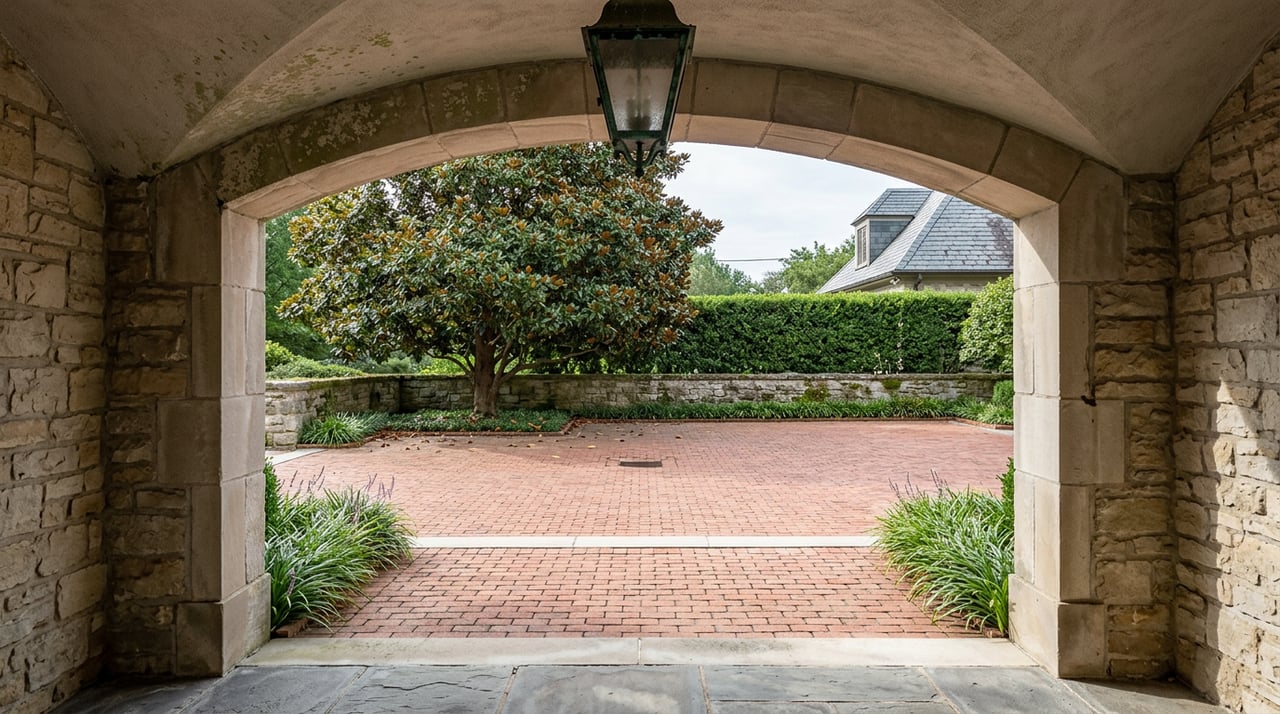
Try to think in layers. A great backyard often moves from interior living space to covered patio to garden, instead of dropping you straight into a large exposed yard.
Work With Trees, Not Against Them
In Dallas, more than 70% of the city’s tree canopy is on private property. City forestry materials also note that adjacent property owners are responsible for maintenance of street and parkway trees. In practical terms, that makes tree stewardship a major part of outdoor planning.
In Lakewood, mature trees are often one of the property’s biggest assets. They provide shade, soften the landscape, and help create the neighborhood’s established feel. When possible, outdoor improvements should be designed around root zones and existing canopy rather than clearing space for a fully open yard.
Tree-Smart Design Moves
- Place patios where they benefit from afternoon shade
- Use permeable or thoughtfully planned surfaces where drainage matters
- Create seating and play areas under canopy where practical
- Keep planting beds flexible around major root zones
- Prioritize tree health before cosmetic upgrades
This approach usually improves comfort and helps the yard feel more connected to the home’s setting.
Choose Water-Wise Planting
A Lakewood yard should look good even in the hottest part of summer. Texas A&M’s Earth-Kind Plant Selector notes that plants with an Earth-Kind Index value of 8 or higher are generally heat tolerant, drought tolerant, pest tolerant, and resource efficient.
That makes water-wise planting a practical choice for this area. Instead of relying heavily on thirsty turf and delicate plantings, many homeowners do better with a layered landscape built around shade trees, durable shrubs, and resource-efficient plants.
What a Balanced Landscape Can Include
- Shade trees as the framework
- Mid-level shrubs for structure
- Low-water perennials and groundcovers
- Mulched beds to help manage moisture
- Circulation paths that stay usable after rain
The overall effect should feel settled and easy to maintain. In Lakewood, outdoor spaces tend to work best when they look established rather than overly engineered.
Keep Pool Design Proportional
A pool can be a strong addition in Dallas, but in Lakewood, scale matters. Given the neighborhood context and the importance of fitting improvements to the lot and home, compact pools, plunge pools, or lap pools often make more sense than oversized resort-style installations.
The best pool areas usually combine cooling, shade, and simple circulation. Built-in seating, nearby planting, and a shaded edge can make a smaller pool feel much more useful than a larger one with no relief from the sun.
Plan for Design and Compliance
Dallas residential permit materials include fence and swimming pool barrier permits in homeowner forms. The city’s current fence checklist says a fence permit is required for fences over 4 feet in a front yard or 6 feet elsewhere, and Dallas swimming pool and spa rules govern barrier safety.
That means pool planning should include both the look of the space and the required safety features. It is smart to think about fencing, gates, and barriers early so they feel integrated into the design.
Match the Home’s Architecture
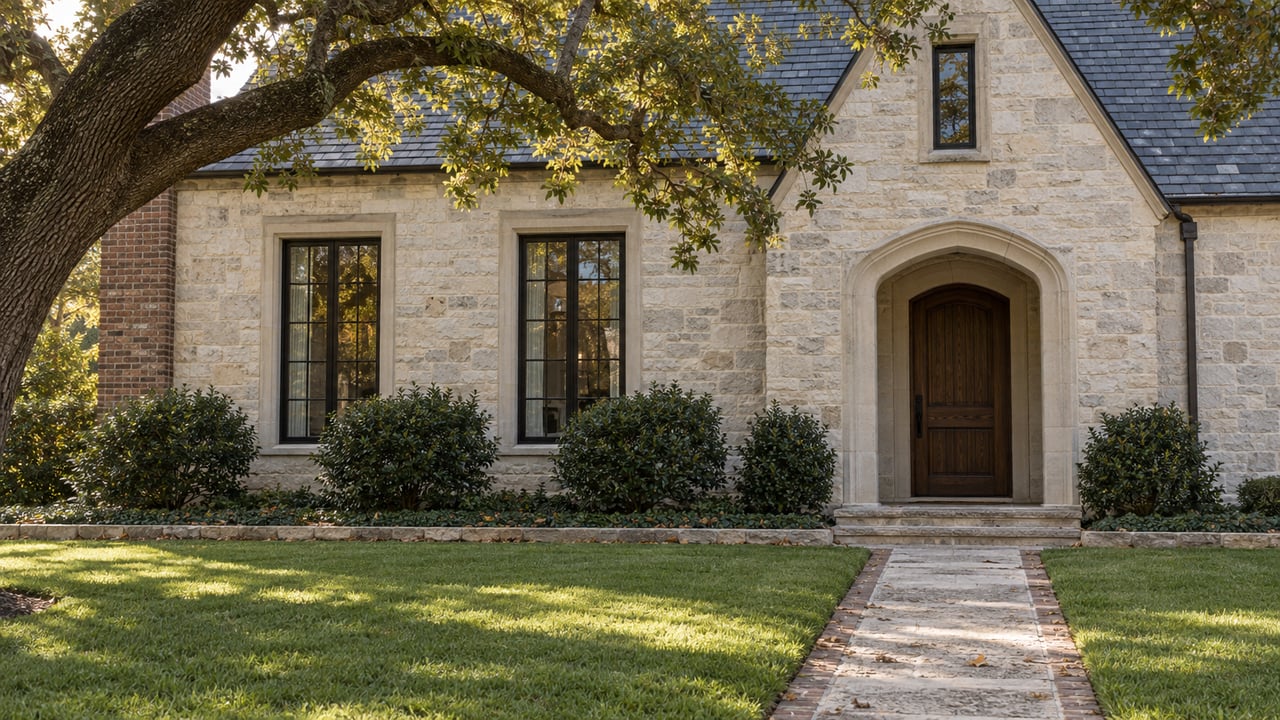
Lakewood’s historic character should guide your choices. Local draft conservation materials identify contributing styles such as Spanish Eclectic or Revival, French Eclectic, Neoclassical, Tudor, and Colonial Revival.
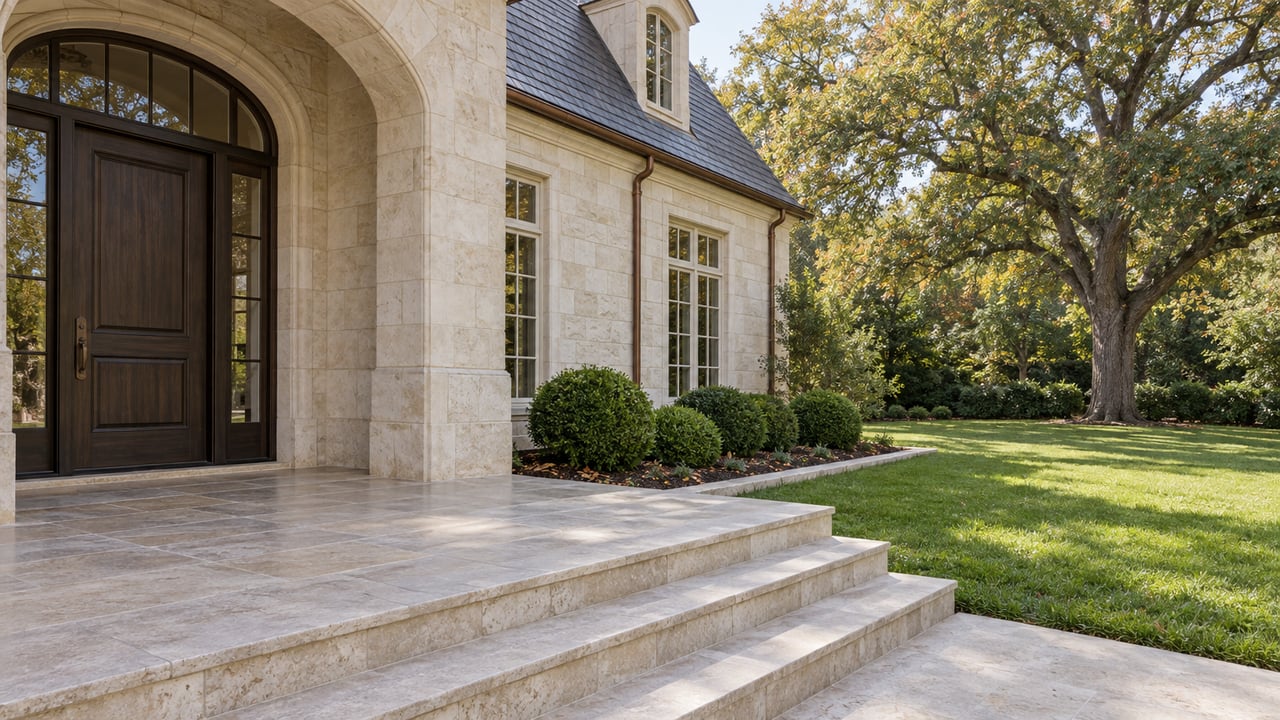
You do not need to make every outdoor detail feel historic, but the space should feel compatible with the house. Materials, proportions, rooflines, and visual weight all matter. A pergola, terrace, or porch addition usually works best when it echoes the home’s era and scale.
Design Cues to Follow
- Repeat materials already present on the home
- Use colors that fit the exterior palette
- Keep structures proportional to the lot and façade
- Avoid overly stark contrasts in style
- Let the architecture lead the details
This kind of restraint often creates the most lasting result. It also tends to feel more natural within a neighborhood known for cohesive streetscapes.
Understand Key Dallas Rules
If you are planning outdoor upgrades in Lakewood, local rules matter. Draft conservation-district materials say fences and walls are not allowed in front yards, side-yard fences may not exceed six feet, and rear or corner-side fences may not exceed eight feet.
Those guidelines point toward a certain design mindset. Instead of relying on tall street-facing privacy fencing, many homes benefit more from porch depth, landscape screening, and low courtyard-style elements where allowed.
For many fence, deck, pool barrier, and accessory-structure projects, Dallas residential permit pages and checklists are the right place to start. It is always easier to plan around the rules from the beginning than to redesign later.
Outdoor Updates That Help Sellers
If you are preparing to sell, outdoor improvements do not need to be dramatic to make an impression. In Lakewood, the most persuasive updates are often the ones that communicate care, comfort, and livability.
That can mean repairing a porch, refreshing a patio, improving landscape health, or adding simple lighting. In a climate where summer heat is a real factor, a yard that looks comfortable in August often says more than one that feels overbuilt.
Seller-Friendly Outdoor Priorities
- Repair worn porch or patio surfaces
- Trim and maintain shade trees
- Refresh planting beds with durable materials
- Add lighting for safety and ambiance
- Define seating or dining areas clearly
- Keep the overall design simple and cohesive
These kinds of improvements often support presentation without changing the character that makes the home appealing in the first place.
Final Thoughts
The best outdoor living ideas inspired by Lakewood homes are not the flashiest ones. They are the spaces that respect the house, work with the trees, and stay comfortable through a Dallas summer. When you focus on shade, proportion, compatibility, and ease of use, your outdoor space is more likely to feel right for both the property and the neighborhood.
If you are thinking about buying, selling, or improving a home in Lakewood, local context matters. For tailored guidance on what fits a property and how outdoor living can support long-term value, The Ryan Group is here to help.
FAQs
What outdoor living features fit Lakewood homes best?
- Covered porches, screened sitting areas, shaded rear patios, pergolas, tree-preserving yard layouts, and modest accessory structures like pool houses often fit Lakewood best.
Do Lakewood outdoor projects need permits in Dallas?
- Many fence, deck, pool barrier, and accessory-structure projects may require permits or city review, so it is wise to check Dallas residential permit materials early in the planning process.
How can you make an outdoor space comfortable in Lakewood summers?
- Focus on shade, airflow, drainage, and water-wise planting, since Dallas average daily highs reach the low to mid-90s in June through August.
How should a Lakewood backyard design relate to the house?
- It should feel compatible with the home’s style, scale, materials, and proportions rather than introducing a look that feels disconnected from the architecture.
What should sellers update first in a Lakewood yard?
- Start with maintenance and livability items like porch repairs, clean patios, healthy trees, simple lighting, and defined seating areas that help the home feel cared for and usable.