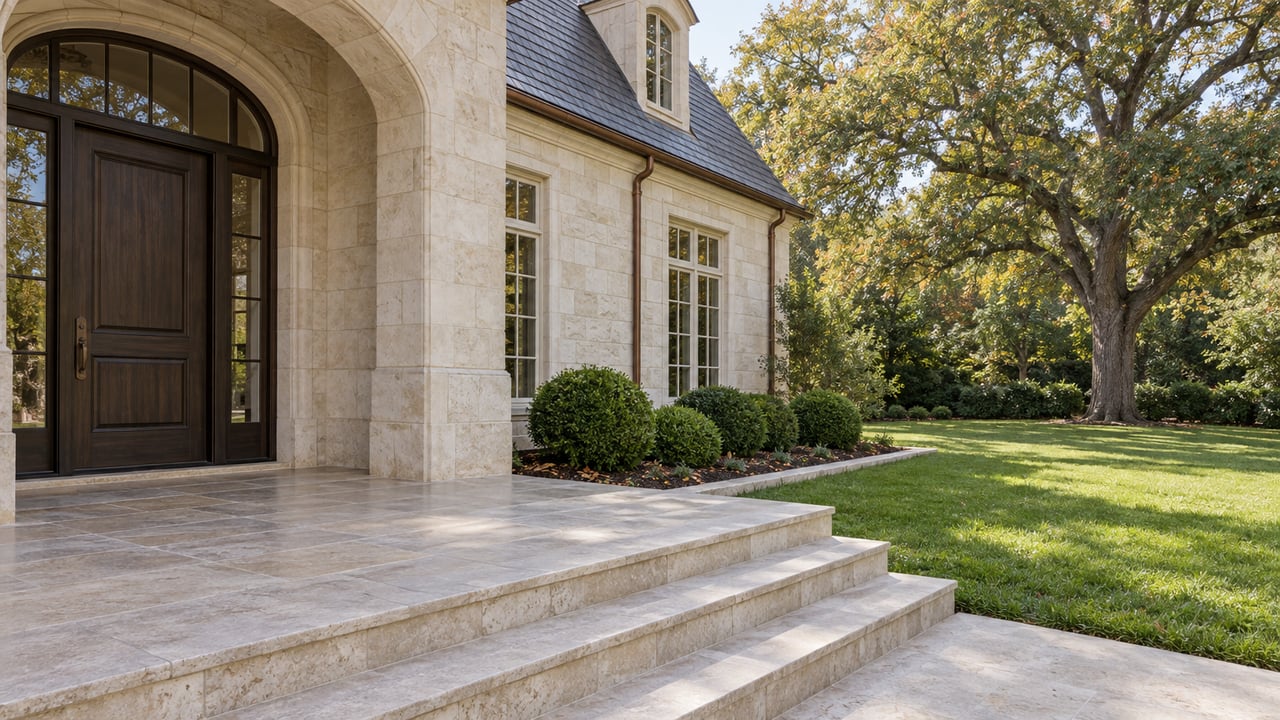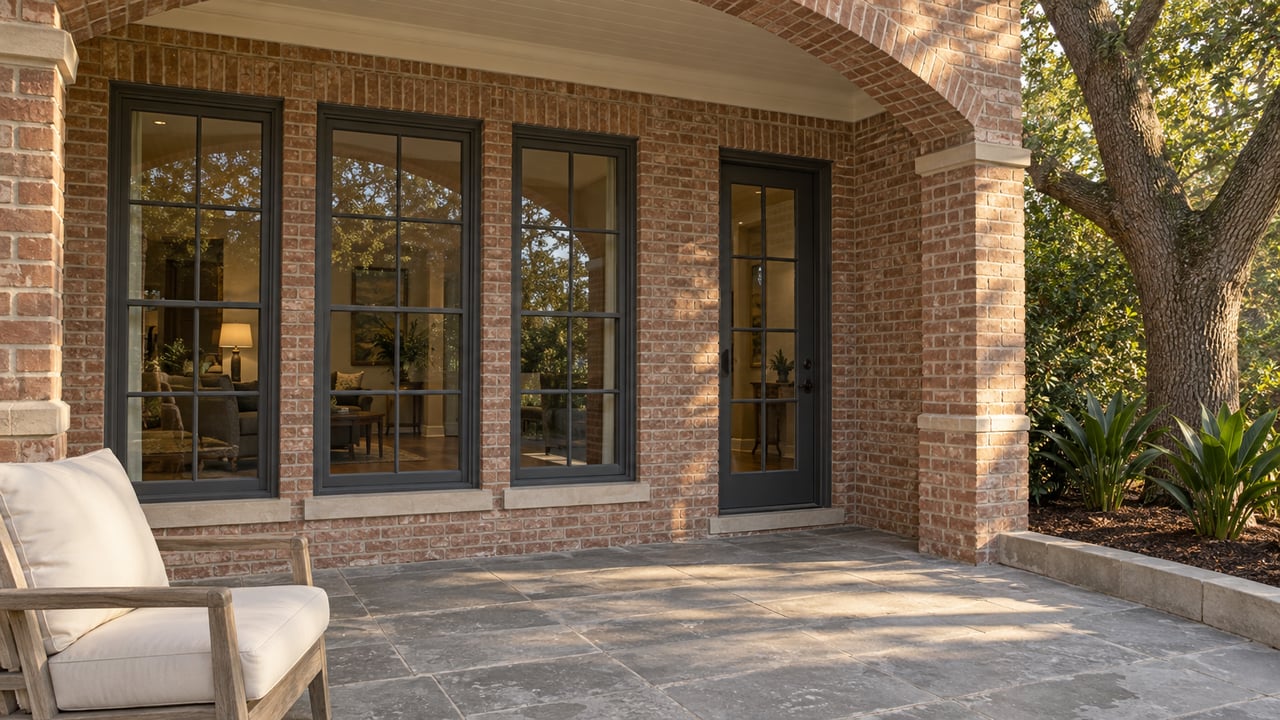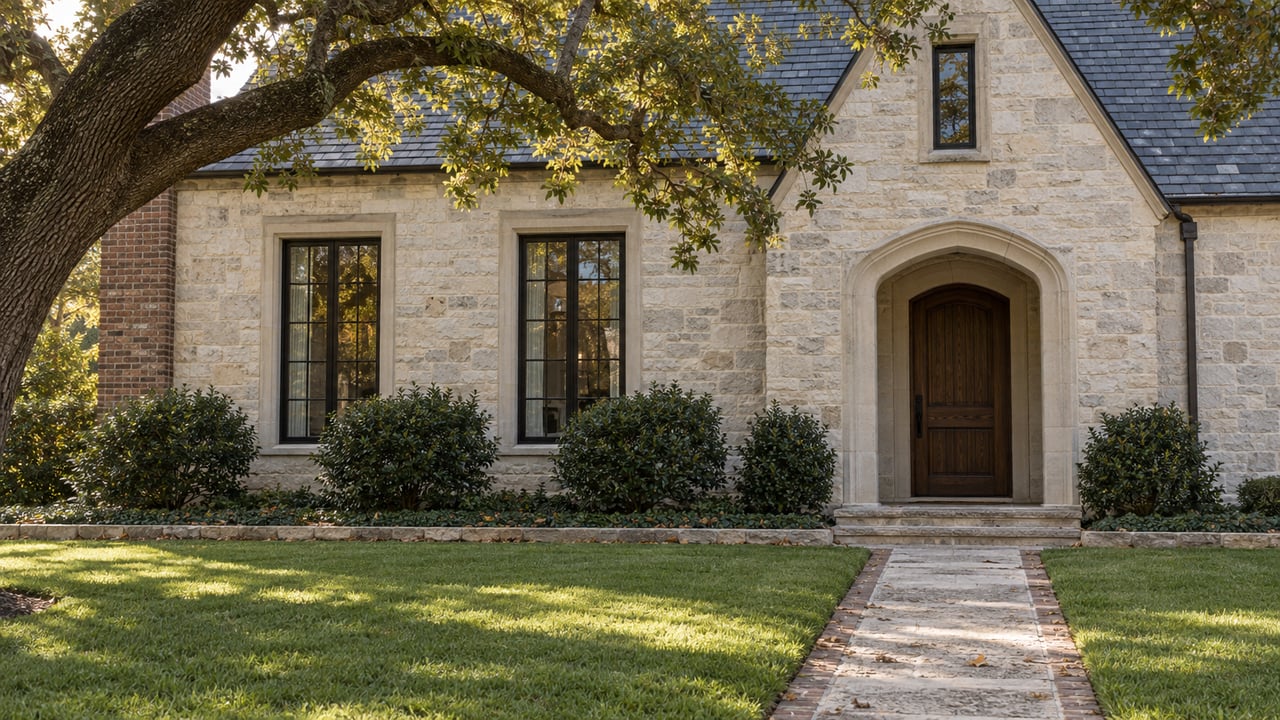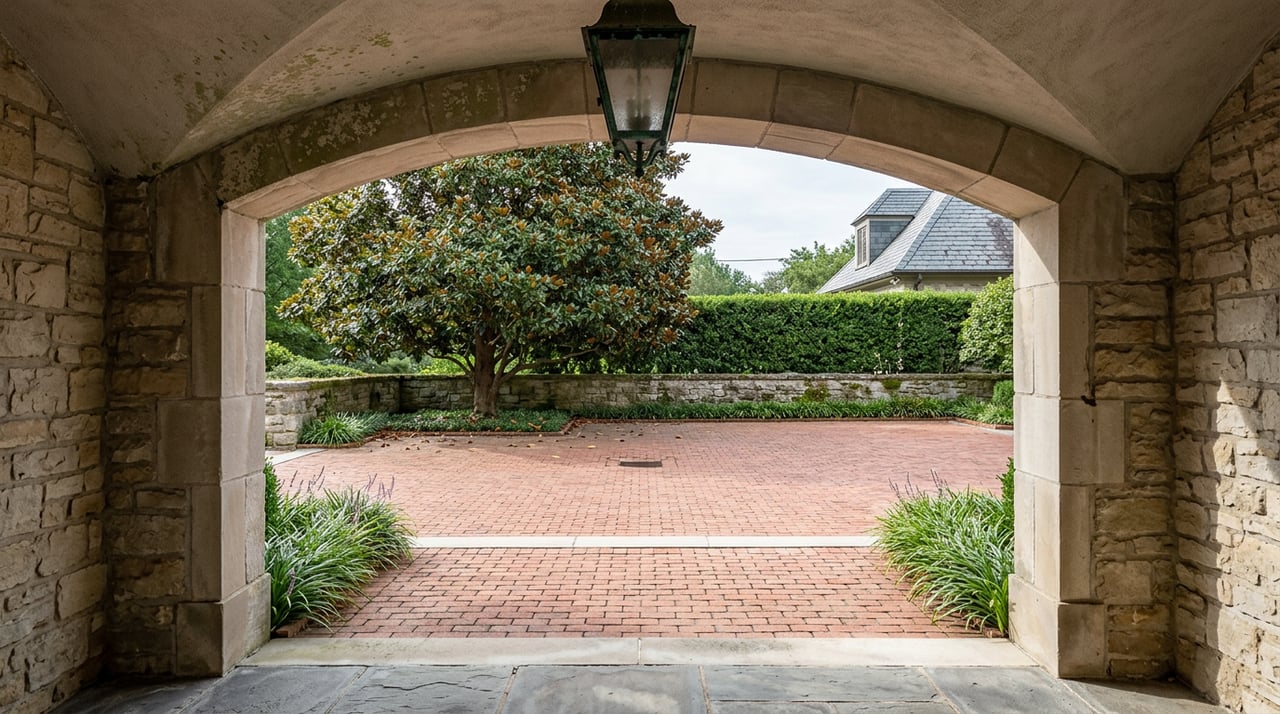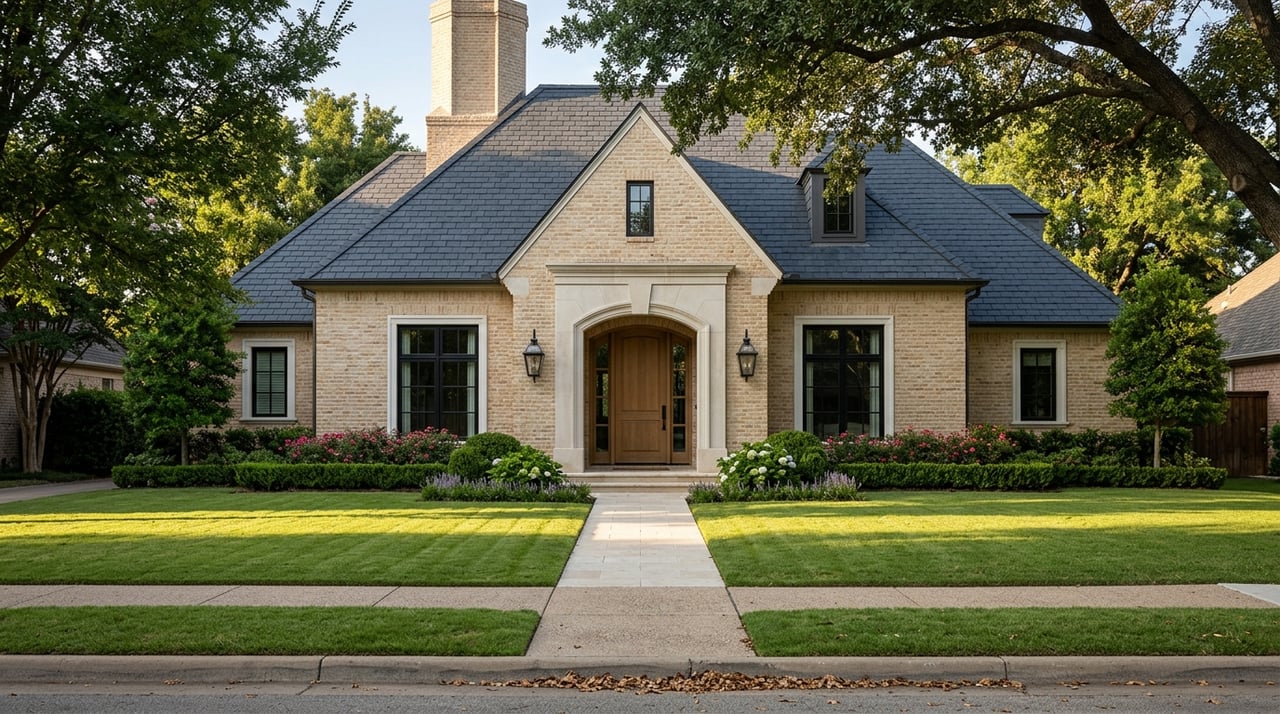
Trying to choose between Highland Park and University Park? On paper, they share a lot: both are in the Park Cities, both are served by HPISD, and both offer a central Dallas location with strong housing demand. But once you look closer at lot patterns, retail access, housing mix, and daily rhythm, the differences become much clearer. If you are deciding where to buy or sell, this guide will help you compare what actually shapes day-to-day life and long-term fit. Let’s dive in.
Highland Park vs University Park at a Glance
Highland Park and University Park sit side by side, but they differ in scale and feel. According to Highland Park quick facts, Highland Park covers 2.26 square miles with about 8,762 residents, while University Park is larger at 3.69 square miles with about 25,268 residents.
That size difference matters in practice. University Park’s larger footprint and higher population tend to create a busier, more varied block-by-block experience. Highland Park generally feels smaller, more uniform, and more estate-oriented.
Both communities also share an affluent profile, with each city reporting median household income above $250,000. Census data further show very high bachelor’s-or-higher attainment in both places, at 87.9% in Highland Park and 90.8% in University Park, according to the U.S. Census QuickFacts.
History Shapes the Feel
The way each city developed helps explain why they feel different today. Highland Park’s town history notes that the town was incorporated in 1913, with final major land development occurring in 1924.
University Park incorporated in 1924 and describes itself as a predominantly residential community that grew around SMU. That history gives University Park a more campus-adjacent identity, while Highland Park often reads as the older, more fully built-out residential enclave.
If you value a setting that feels especially established and consistent, Highland Park may stand out. If you want a neighborhood environment with more variety and stronger ties to surrounding retail and campus activity, University Park may feel like a better match.
Housing Style and Lot Patterns
For many buyers, this is the biggest deciding factor.
Highland Park feels more estate-oriented
Highland Park’s zoning structure supports a more traditional estate-style pattern. Its zoning ordinance includes one-family districts A through E, along with other districts for two-family, multifamily, retail, and planned development.
In the A district, detached homes must be on 200-foot-wide lots with 150-foot depth. Even the least restrictive detached lot widths in the ordinance are still 55 feet. That framework helps reinforce Highland Park’s reputation for larger-lot single-family housing and a more uniform residential character.
Current Census figures support that picture. Highland Park’s median owner-occupied home value is $1,989,900, and the owner-occupied rate is 89.4%, according to Census QuickFacts.
University Park offers more housing variety
University Park’s zoning is more explicitly tiered. Its current zoning ordinance includes SF-1 through SF-4, plus SF-A, duplex, and multifamily districts.
That range allows for more variation in lot size and housing form. For example, SF-1 requires 35,000 square feet of lot area and 150-foot width, while SF-4 allows 7,000 square feet and 50-foot width. The city also states that these districts are intended to accommodate detached and attached homes, duplexes, and multifamily buildings while preserving neighborhood character.
Census data reflect that broader mix. University Park’s median owner-occupied home value is $1,861,800, its owner-occupied rate is 83.2%, and its average household size is 3.12, compared with 2.68 in Highland Park, according to Census QuickFacts.
What that means for you
In simple terms, Highland Park often appeals to buyers who want:
- A more consistent single-family streetscape
- Larger-lot, estate-style housing patterns
- A smaller, more uniformly residential setting
University Park often appeals to buyers who want:
- More variety in home styles and lot sizes
- A broader mix of residential forms
- A setting with more activity and everyday convenience nearby
Walkability and Everyday Lifestyle
Where do you want daily life to happen? That question can quickly separate these two markets.
University Park has the stronger walk-to-retail pattern
University Park has the clearest built-in walkability story. The city describes Snider Plaza as its central commercial district and a walkable destination that dates back to 1927.
The city also points to Preston Center and shopping and dining along Preston Road, Lovers Lane, and the area near SMU. Instead of one single retail anchor, University Park offers several pedestrian-friendly nodes that can make errands, coffee, and casual meals part of a more regular routine.
Highland Park centers more on destination retail
Highland Park’s retail identity is different. The town notes that Highland Park Village was built in 1931 and was the first shopping center of its kind in the United States.
That gives Highland Park a strong destination-retail profile. For many buyers, that means access to notable shopping and dining without the same degree of neighborhood retail woven into the everyday street grid.
Parks and Recreation
Both cities offer strong park access, but the systems feel different.
University Park’s new resident packet says the city has 60 acres of parkland across 12 parks, and it adopted a Parks, Recreation, Trails, Open Space and Recreation Master Plan in 2024.
Highland Park’s quick facts say the town was named in part because 20% of developed land was reserved for park space. Its park system includes Abbott, Connor, Davis, Fairfax, Flippen, Lakeside, Prather, and Douglas, among others.
On the recreation side, University Park’s Holmes Aquatic Center in Curtis Park includes a 50-meter pool, diving boards, a water slide, and a children’s pool. Highland Park’s Davis Park is home to the town pool, and the town also operates municipal tennis and pickleball courts across multiple park sites, as noted in the research provided.
Schools Are Shared
If schools are your main concern, this may simplify your decision. Both Highland Park and University Park are served by HPISD, according to the University Park resident packet.
That means your choice often comes down less to school district differences and more to the type of home, lot character, walkability, and surrounding activity you want. In many cases, buyers narrow the decision by focusing on lifestyle rather than district boundaries.
Remodeling, Building, and Long-Term Plans
If you plan to remodel, expand, or rebuild, you should look beyond the address and study the lot itself.
Both cities are tightly regulated, and lot-specific rules can shape what is realistic. Highland Park’s zoning resources make clear that zoning and permit review matter, and the same practical principle applies across both communities.
This is where local guidance can make a real difference. A home may check the right boxes on location, but setbacks, lot dimensions, district rules, and surrounding context can influence whether your long-term vision is feasible.
Which Park Cities Setting Fits You Best?
Here is the broadest useful way to think about the choice.
Highland Park may be the better fit if you want:
- A smaller, more uniformly residential environment
- A more estate-like housing pattern
- Larger-lot single-family character
- Destination shopping and recreation nearby, rather than embedded across daily routes
University Park may be the better fit if you want:
- More housing variety and lot-size range
- A larger community with a more active block-level feel
- Stronger walk-to-retail options around Snider Plaza and nearby nodes
- A more campus-influenced setting tied to SMU
Neither is universally better. The right choice depends on how you want your home, street, and daily routine to feel.
What This Means for Buyers and Sellers
For buyers, the Highland Park versus University Park decision usually comes down to matching your priorities with the city’s built environment. If you want consistency, estate character, and a quieter residential core, Highland Park often rises to the top. If you want flexibility, walkable convenience, and a wider range of housing patterns, University Park often deserves a closer look.
For sellers, understanding these differences helps position your home more effectively. Buyers are not just comparing square footage or finishes. They are comparing street feel, lot character, retail access, and long-term lifestyle, which means your home should be marketed within the context of what makes its location distinct.
If you are weighing Highland Park against University Park, or preparing to sell in either neighborhood, working with a team that understands Dallas block by block can help you make a more confident decision. The Ryan Group brings deep local knowledge, high-touch guidance, and informed perspective on premium Dallas neighborhoods.
FAQs
What is the main difference between Highland Park and University Park?
- Highland Park is generally smaller, more uniformly residential, and more estate-like, while University Park is larger, more varied, and more closely tied to walkable retail areas and the SMU area.
Is Highland Park or University Park more walkable for daily errands?
- University Park typically offers the stronger walk-to-retail pattern, especially around Snider Plaza and other nearby commercial nodes.
Are Highland Park and University Park in the same school district?
- Yes. Both cities are served by HPISD, so buyers often base the decision more on home style, lot size, and lifestyle preferences.
Does Highland Park have larger lots than University Park?
- In general, Highland Park’s zoning framework supports a more estate-oriented lot pattern, while University Park includes a wider range of lot sizes and housing forms.
Is University Park more varied than Highland Park?
- Yes. University Park’s larger size, broader zoning categories, and mix of single-family and multifamily housing create a more varied residential environment.
Should buyers compare zoning before choosing Highland Park or University Park?
- Yes. If you may remodel, add on, or rebuild, lot-specific zoning and permit rules can be just as important as the neighborhood name.