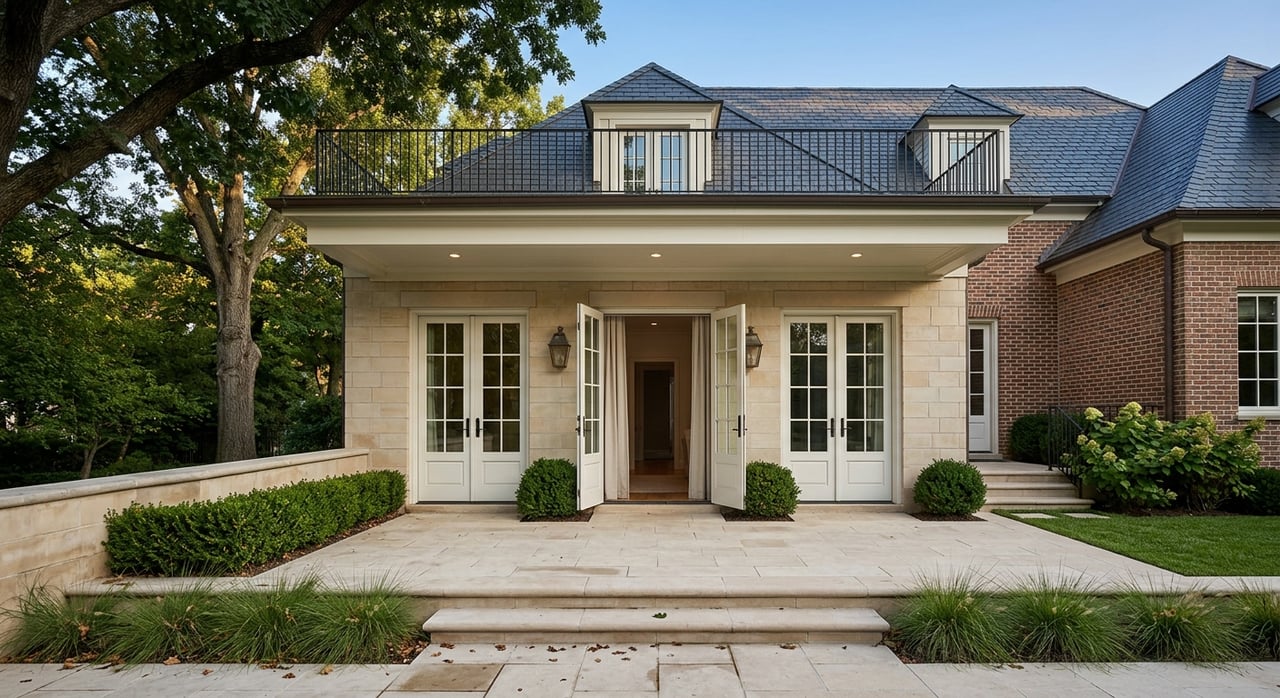
What makes Bluffview feel so different from other large-lot areas in Dallas? It usually comes down to the land itself. In 75209, the bluff, creek corridors, mature trees, and irregular lot shapes often have as much influence on daily living as the house plan. If you are buying, selling, building, or remodeling here, understanding that relationship can help you make smarter decisions and see value more clearly. Let’s dive in.
Why Bluffview Lots Shape the Design
Bluffview Estates opened in 1924 on a former 215-acre dairy farm, and the neighborhood’s original layout followed the natural features already on the site. Preservation Dallas notes that the area was shaped by a 60-foot Austin Chalk bluff along Bachman Creek, along with mature trees, winding creek corridors, gently rolling hills, and unusual lot geometry. That history still shows up today in how homes sit on the land.
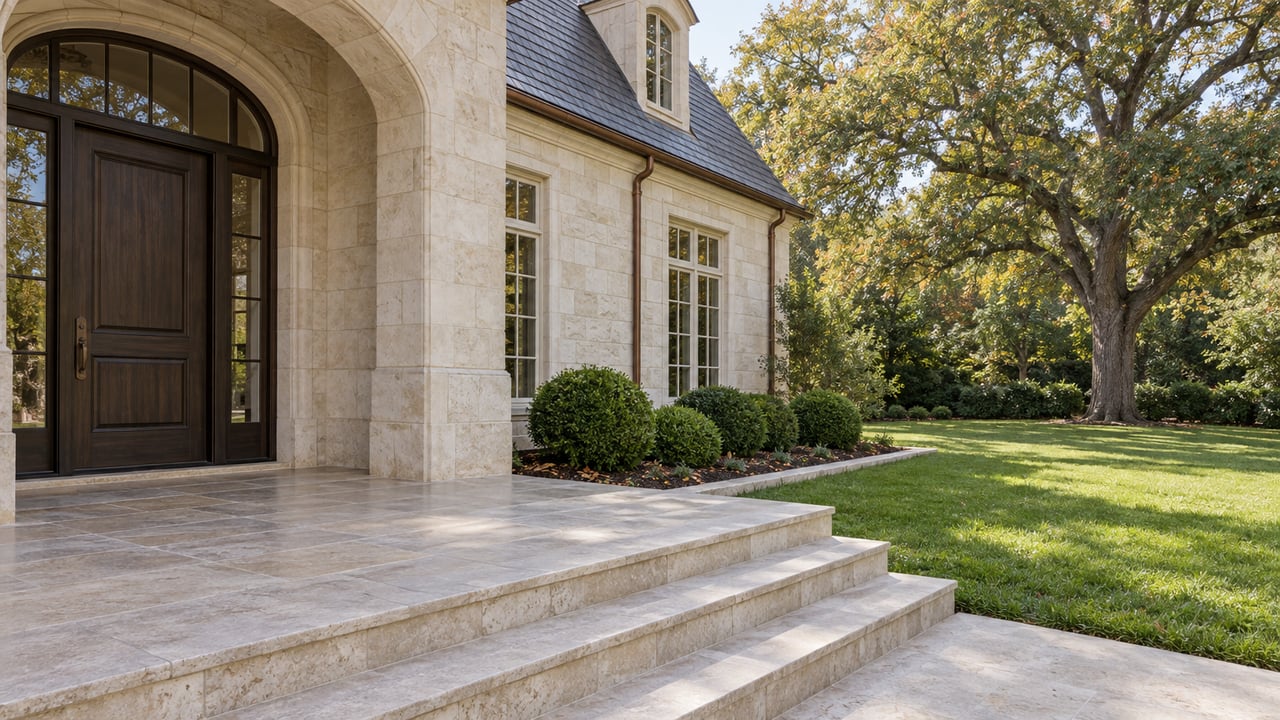
In practical terms, Bluffview is often less about creating one large, flat backyard and more about designing a series of outdoor spaces that respond to grade, canopy, privacy, and views. On many lots, the strongest indoor-outdoor living plan works with the site instead of trying to flatten or erase it. That is a big part of what gives Bluffview homes their distinct feel.
What Makes Bluffview Different
A standard large lot can give you space. A Bluffview lot can give you space and topographic character. The difference matters because outdoor living here often feels more layered, with terraces, porches, courtyards, and elevated seating areas taking the place of one simple lawn.
A major portion of Bluffview falls within PD 455, the Bluffview Special Purpose District. That district covers about 140 acres and includes three subdistricts with minimum lot sizes of 32,670, 21,780, and 16,000 square feet. PD 455 also limits residential lot coverage to 45 percent, caps height at 30 feet, and requires parking to be at or below ground level.
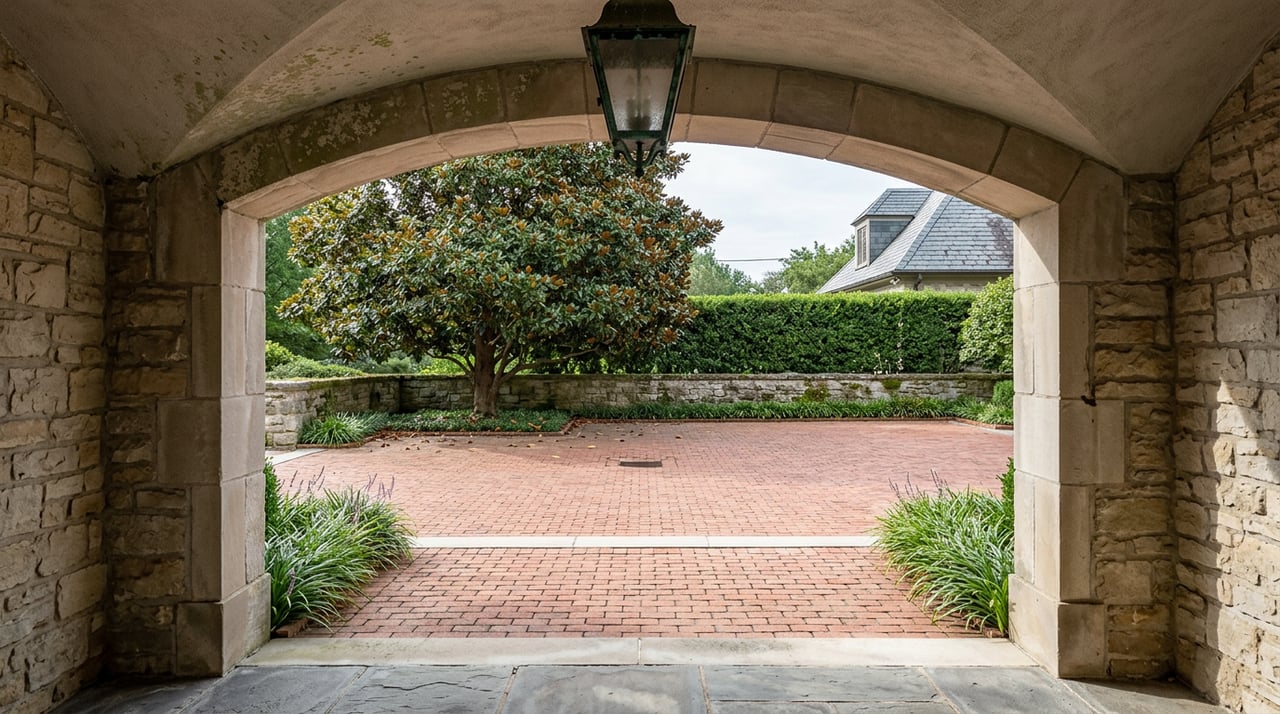
Those rules help explain why many Bluffview homes maintain a lower street profile while still supporting substantial outdoor living areas. When lot coverage and height are controlled, the design focus often shifts toward courtyards, broad patios, pool courts, and porches that feel integrated with the house. For buyers and sellers, that is an important part of the neighborhood story.
Indoor-Outdoor Features That Fit Bluffview
Recent Bluffview-area homes show a clear pattern in the features that work best here. Local home coverage has highlighted folding exterior doors, walls of glass, seamless transitions between indoor and outdoor flooring, covered patios, front courtyards, cabanas, outdoor showers, and pools that are part of a sequence of outdoor rooms.
That pattern makes sense for the area. On an irregular or sloping lot, a home does not always need a huge open yard to feel connected to the outdoors. In many cases, a better solution is a more intentional layout that creates privacy near the house, preserves mature trees where possible, and frames views toward the bluff or creek corridor.
Courtyards Add Privacy
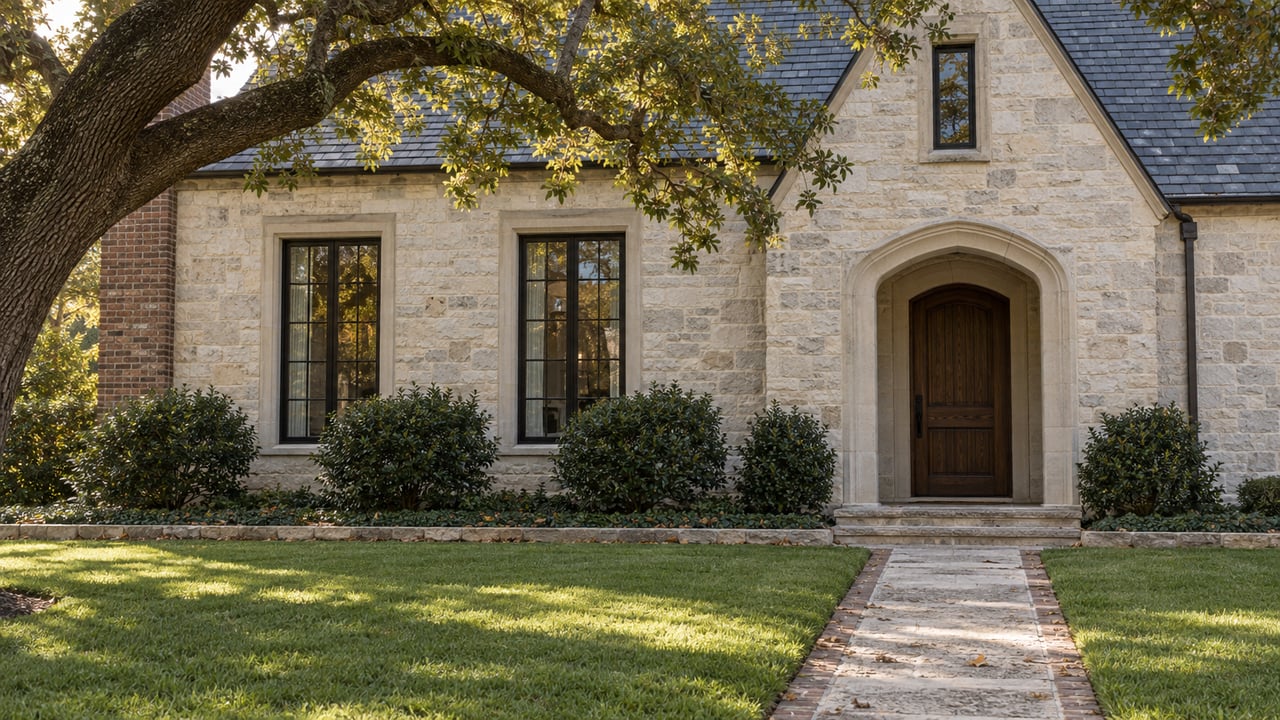
Front and side courtyards can be especially effective in Bluffview. They create a sheltered outdoor room close to the main living areas and can make an odd-shaped lot feel more organized. They also give the home usable outdoor space without depending entirely on the rear yard.
Covered Patios Extend Daily Living
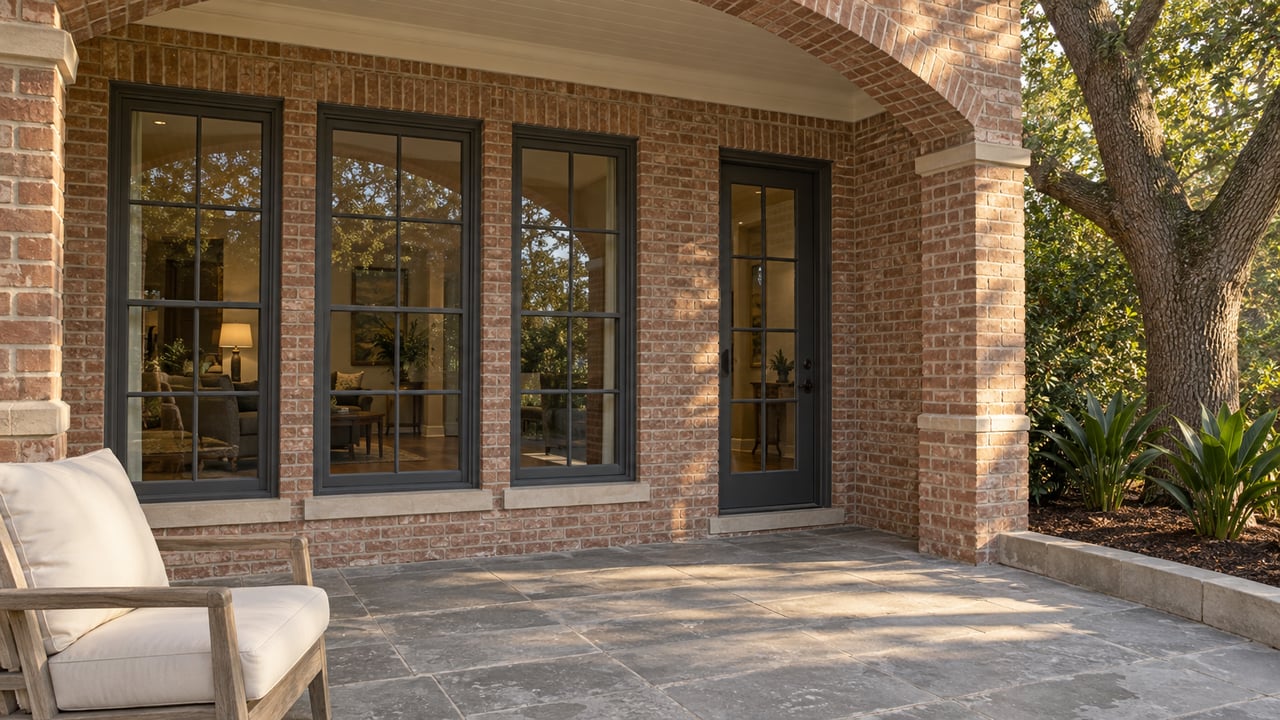
Covered patios are one of the most practical indoor-outdoor features for Dallas homeowners. In Bluffview, they often work best when they are treated as an extension of the kitchen, family room, or den rather than as a detached afterthought. This approach helps outdoor living feel like part of the daily routine.
Glass Walls Open the House
Expansive glass and large doors show up repeatedly in Bluffview-area homes. These features can help bring in light, frame mature landscaping, and make sloping or heavily treed lots feel like part of the home experience. In the right setting, they can make even a more compact outdoor area feel visually larger.
Terraces and Porches Follow the Grade
On lots with changing elevation, terraces and porches can be more useful than trying to force a broad flat lawn. The Bluffview River House example included five porches and patios, plus a fire pit and greenbelt views, showing how multiple outdoor zones can respond to a sloped site. For many Bluffview properties, that layered approach is more natural and more compelling.
Trees, Drainage, and Grading Matter Early
In Bluffview, mature canopy is not just background scenery. It is one of the neighborhood’s defining assets, and it often shapes where additions, patios, driveways, and pools can realistically go. That is why site planning matters so much.
Dallas notes that trees on lots under two acres in current single-family or duplex use are exempt from the tree preservation code, but parkway trees are not exempt and require a permit. The city also has minimum tree requirements for lots established after May 29, 1994, including three large or medium nursery stock trees on lots 7,500 square feet or larger, with at least two in the front yard.
When a landscape plan is required, Dallas requires detailed site information. That can include lot lines, zoning, watercourses, flood plain, escarpment zone, drainage features, utilities, landscape areas, and the location of existing trees over six inches in diameter, along with tree protection and removal details. In other words, strong indoor-outdoor living in Bluffview is often the result of careful planning long before finishes are selected.
Pools and Outdoor Structures Need Verification
Pools, cabanas, and other outdoor elements are common in Bluffview, but they are shaped by permit rules. Dallas says a pool permit is required for all but a very small prefabricated above-grade pool under 5,000 gallons and less than 24 inches deep. The required site plan must show property lines, setbacks, easements, the pool footprint, equipment, the barrier enclosure, and the alarm or self-latching gate system.
Dallas also notes that some smaller outdoor improvements may not require permits, including patio covers under 200 square feet, decks or platforms not more than 30 inches above grade, certain fences, and retaining walls not over four feet high. Still, buyers and owners should verify details for the specific parcel before making plans. What works on one Bluffview lot may not work the same way on another.
Floodplain and Slope Can Affect Design
Because parts of Bluffview relate so closely to Bachman Creek and its branches, drainage and floodplain review can be important. The City of Dallas advises property owners to check DCAD, the City zoning GIS, or FEMA flood layers to estimate whether a parcel lies in the 1% annual chance floodplain. Where applicable, floodplain and drainage features also need to be shown on required plans.
This is not just paperwork. A Bluffview-area river house on a sloping lot overlooking the Bachman Branch creek greenbelt was raised five feet to comply with floodplain rules. For a buyer, seller, or homeowner, that is a useful reminder that grading, elevation, and drainage can directly shape both architecture and outdoor living.
What Buyers Should Verify First
If you are considering a Bluffview purchase because of the lot, it helps to evaluate the site as carefully as the house itself. Beautiful outdoor living is possible here, but the path to achieving it is highly parcel-specific.
Here are a few key items to verify early:
- Parcel-specific zoning
- Applicable lot coverage limits
- Tree inventory and any parkway tree issues
- Drainage and floodplain status
- Pool and setback requirements
- Easements and site constraints shown on public records or city review materials
Dallas says the City’s Map Hub is the primary public map resource, and DallasNow is used for official zoning verification or determination letters. For buyers looking at remodel potential or a future custom build, this kind of diligence can save time and avoid expensive surprises.
What Sellers Should Highlight
If you are selling a Bluffview property, your marketing story should do more than mention lot size. In this part of Dallas, buyers often respond to how the land feels and how the house engages with it.
The strongest points to emphasize are usually the lot’s privacy, mature canopy, topographic interest, and the connection between interior rooms and outdoor living areas. If the home includes courtyards, porches, covered patios, pool courts, or elevated view areas, those features should be framed as part of the property’s daily lifestyle. That kind of positioning helps buyers understand why a Bluffview lot can be special beyond the square footage alone.
For sellers preparing to go to market, presentation matters too. A stewardship-minded strategy can include clarifying site advantages, identifying any design-sensitive upgrades worth making, and presenting the property in a way that captures both architecture and landscape. That is often where local construction knowledge and thoughtful pre-sale planning can make a meaningful difference.
Why Local Guidance Matters in Bluffview
Bluffview rewards a more careful read than many neighborhoods do. Two properties with similar square footage can live very differently based on grade, tree placement, drainage, lot shape, and zoning context. That is why buying or selling here often benefits from neighborhood-level insight rather than a broad, one-size-fits-all approach.
If you are weighing a purchase, planning improvements, or preparing to sell, the goal is not just to measure the lot. It is to understand how the lot supports privacy, views, outdoor rooms, and long-term usability. In Bluffview, that is often where real value lives.
If you want expert guidance on buying or selling in Bluffview, schedule a free consultation with The Ryan Group.
FAQs
What makes Bluffview lots different from other large lots in Dallas?
- Bluffview lots are often shaped by the area’s 60-foot bluff, creek corridors, mature trees, rolling topography, irregular lot geometry, and special-purpose zoning, which can influence how homes and outdoor spaces are designed.
What indoor-outdoor features are common in Bluffview homes?
- Common features in Bluffview-area homes include courtyards, covered patios, porches, cabanas, large glass walls, folding exterior doors, and pools designed as part of a sequence of outdoor rooms.
What should a Bluffview buyer verify before planning a remodel or new build?
- A buyer should verify parcel-specific zoning, lot coverage limits, tree conditions, drainage and floodplain status, easements, and permit requirements for pools and other outdoor structures.
Do pools in Dallas usually require permits for Bluffview properties?
- Yes. Dallas says a pool permit is required for all but a very small prefabricated above-grade pool under 5,000 gallons and less than 24 inches deep.
How do Dallas tree rules affect Bluffview outdoor design?
- Tree rules can affect site planning, especially for parkway trees, required landscape plans, tree placement on certain lots, and construction protection measures for existing trees.
What should a Bluffview seller emphasize when marketing a property?
- A seller should emphasize privacy, mature tree canopy, topographic character, and the way the home connects interior living spaces to courtyards, patios, porches, pools, or view-oriented outdoor areas.