If you are selling land or a tear-down property in Bluffview, you are not really selling countertops, paint colors, or staging. You are selling what the site can become. That can feel very different from a typical home sale, especially in 75209, where buyers tend to study pricing, zoning, and buildability much more closely. In this guide, you will learn what drives value, what builders look at first, and how to position your property for a stronger result. Let’s dive in.
Why Bluffview land sells differently
Bluffview sits in the high-value 75209 market, where pricing is well above the broader Dallas median. Zillow reported a typical home value of $1,070,558 in 75209 as of June 30, 2026, along with a median list price of $1,152,333 and median days to pending of 47. Realtor.com reported a median listing price of $1.3 million, median days on market of 53, and average sales at 12.85% below asking in June 2026.
That matters because land and tear-down buyers usually approach a property with a calculator, not just emotion. They are looking at what can legally be built, what it may cost to get there, and how much risk the site presents. In a market like Bluffview, the buyer pool is often narrower, more technical, and more price-sensitive than many sellers expect.
What buyers value most
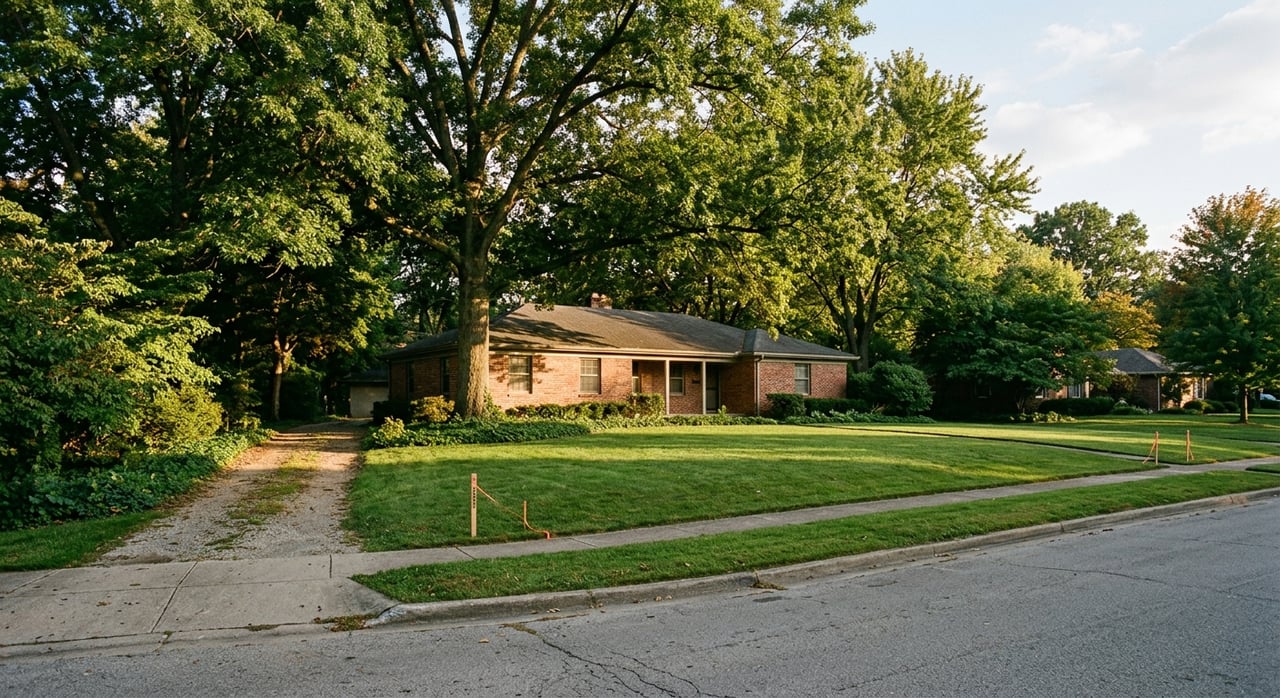
When a property is a redevelopment candidate, the lot often carries more value than the house itself. Buyers may still care about the current structure, but usually as a demolition cost, a permitting issue, or a possible renovation alternative. The biggest question is often simple: What can I build here, and how certain is that answer?
For many Bluffview sellers, the features that drive value include:
- Lot dimensions
- Zoning district
- Overlay or conservation district status
- Historic district status, if any
- Setbacks and height limits
- Garage placement and access rules
- Tree constraints
- Survey or plat availability
- Demolition status and related permit work
If those facts are clear, serious buyers can make decisions faster. If they are unclear, buyers often lower offers to protect themselves from surprises.
Start with parcel-level verification
One of the biggest mistakes sellers make is assuming the address or street reputation sets the value. In reality, Dallas requires a much more parcel-specific review. The City of Dallas says zoning districts control land use, height, setbacks, lot size, density, coverage, and floor area ratio.
The city’s Map Hub is the main public tool for reviewing zoning, cases, historic areas, deed restrictions, special use permits, and conservation districts. The city also notes that zoning summary pages are informational and that the Dallas Development Code controls if there is a conflict. If a buyer wants formal zoning verification, the city directs users to DallasNow.
That means your pricing strategy should begin with the actual rules tied to your lot. Two nearby properties can have very different redevelopment potential based on district standards, overlays, or private restrictions.
Why overlays matter
In single-family areas, neighborhood stabilization overlays can affect details that directly shape a future build. These can include front yard setbacks, side and corner setbacks, garage placement and access, and the height plane.
Those rules matter because they affect the buildable envelope. A buyer may love the location, but if an overlay reduces flexibility, that can change what they are willing to pay.
Historic and conservation review can change the process
If a property falls within a conservation district or historic district, the process may become more specialized. Dallas states that conservation districts have neighborhood-specific standards and may require a work review form. In historic districts, exterior work or demolition generally requires a Certificate of Appropriateness.
For sellers, this is important because these extra layers can influence timing, cost, and buyer confidence. A buyer who sees clear documentation upfront is usually in a better position to act.
How the existing house affects pricing
Not every older house in Bluffview should be treated the same way. Some homes may still attract renovation-minded buyers, while others are valued mainly for land after demolition costs and site constraints are considered.
That is why cosmetic updates often matter less on a true tear-down candidate. If the likely buyer is a builder or investor, they may care far more about buildability than about refreshed finishes.
When “as-is” may make sense
Listing as-is can be the right move when the property’s main value is the lot itself. In that case, spending heavily on cosmetic work may not improve your return. Instead, stronger results often come from presenting the property clearly, pricing it accurately, and organizing the due diligence materials buyers want most.
When demolition first may not be the easy answer
Some sellers assume tearing the house down before listing will make the property more attractive. In Dallas, that is not always a simple prep step. Demolition is a project with its own checklist, timing, and risk.
Dallas demolition requirements include an asbestos survey, utility disconnections, a tree survey identifying protected trees within 50 feet of the demolition or related activity, site management signs, erosion control, and possibly a barricade permit if work is within 10 feet of the public right-of-way. The city also says the site generally must be left blade clean, leveled, compacted, and smoothed unless a new building permit is issued within 60 days of demolition.
Because of that, demolishing first can create cost and complexity before you even reach the market. In many cases, sellers benefit from comparing both scenarios: selling the property as-is to a redevelopment buyer, or completing demolition first if the numbers and timing clearly support it.
Tree rules can affect your sale
Tree constraints are easy to overlook, but they can be a real pricing factor for redevelopment property. Dallas tree rules add another layer to the buyer’s analysis, especially once demolition enters the picture.
According to the city’s tree manual, on residential lots under two acres with an existing single-family or duplex use, some urban forest conservation rules are excepted. But the property is considered vacant once a demolition permit for the dwelling is submitted, which is when tree protection becomes especially relevant.
For a buyer, protected trees can affect site planning, demolition timing, and future construction options. For a seller, this is another reason to gather facts early instead of leaving buyers to assume the worst.
Pricing should reflect buildability
In Bluffview, pricing a tear-down property like a move-in-ready home can lead to a stale listing. Buyers in this category are often focused on dirt value, the buildable envelope, demolition costs, carrying costs, and approval risk.
Current market conditions also support a realistic approach. In 75209, homes have been taking about 47 to 53 days to move, and Realtor.com reported an 87 percent sale-to-list ratio in June 2026. That suggests buyers have room to negotiate, especially when a property has unanswered questions.
A strong pricing strategy should account for:
- What the lot can support under current rules
- Whether overlays or district standards limit design options
- Whether trees may affect the future site plan
- The likely cost and complexity of demolition
- Whether the existing house has meaningful renovation value
- How much uncertainty a buyer will need to absorb
The more uncertainty you remove, the easier it is to support your asking price.
What to include in the listing package
A strong Bluffview land or tear-down listing should answer buyer questions early. This is not the kind of property where vague marketing usually works well.
Useful listing materials often include:
- Survey, if available
- Plat or lot dimensions
- Zoning district information
- Overlay, conservation district, or historic district status
- Tree-related information that may affect development
- Property history or ownership context from DCAD
- Notes on whether demolition has been permitted or still needs to be addressed
This kind of preparation helps targeted buyers move from curiosity to action. It also supports a more efficient conversation around price.
Expect a more technical sale process
Selling a Bluffview tear-down or land parcel usually takes a different kind of patience than selling a polished primary residence. The buyer pool may include nearby homeowners, custom builders, small infill developers, and investor-builders, and each group tends to examine the property through a redevelopment lens.
That often means more questions, more document review, and more back-and-forth around what is actually feasible. It does not mean your property is less desirable. It simply means the process is more technical and should be managed that way from the start.
Disclosures and paperwork
For improved residential property in Texas, the Seller’s Disclosure Notice is the standard form for previously occupied single-family residences, and the current version took effect May 28, 2026. For a tear-down or vacant-lot situation, disclosure requirements should not be treated as one-size-fits-all.
Instead, your paperwork should be confirmed with your agent and title team based on the property and transaction structure. That helps you avoid assumptions and stay aligned with the details of the sale.
Why local guidance matters in Bluffview
A land or tear-down sale in Bluffview is part pricing exercise, part zoning review, and part marketing strategy. You need to know how the lot fits within Dallas rules, how buyers will analyze risk, and how to present the opportunity in a way that feels credible and complete.
That is where local market knowledge can make a real difference. In a premium neighborhood like Bluffview, the best results often come from combining parcel-level research, realistic pricing, and focused outreach to the buyers most likely to understand the property’s value.
If you are thinking about selling land or a tear-down property in Bluffview, working with a team that understands both neighborhood value and redevelopment logic can help you make smarter decisions from the start. To schedule a free consultation, connect with The Ryan Group.
FAQs
Should you sell a Bluffview tear-down as-is or demolish first?
- It depends on the lot, the likely buyer, demolition costs, tree constraints, and timing. In Dallas, demolition requires several steps, so it is worth comparing both options before deciding.
What drives lot value in Bluffview most?
- Zoning, overlays, setbacks, height limits, tree constraints, lot dimensions, and the overall buildable envelope usually matter more than cosmetic condition on a true redevelopment property.
How can you check zoning for a Bluffview property?
- The City of Dallas Map Hub is the main public source for zoning, cases, historic areas, deed restrictions, special use permits, and conservation districts. For formal zoning verification, the city directs users to DallasNow.
Can a conservation district affect a Bluffview sale?
- Yes. Conservation districts have neighborhood-specific standards, and a work review form may be required depending on the project.
Can a historic district affect demolition in Bluffview?
- Yes. Dallas states that work in historic districts generally requires a Certificate of Appropriateness before exterior work or demolition.
Do trees matter when selling a tear-down property in Dallas?
- Yes. Tree protection can become especially relevant once a demolition permit is submitted, and protected trees may affect future site planning and construction options.