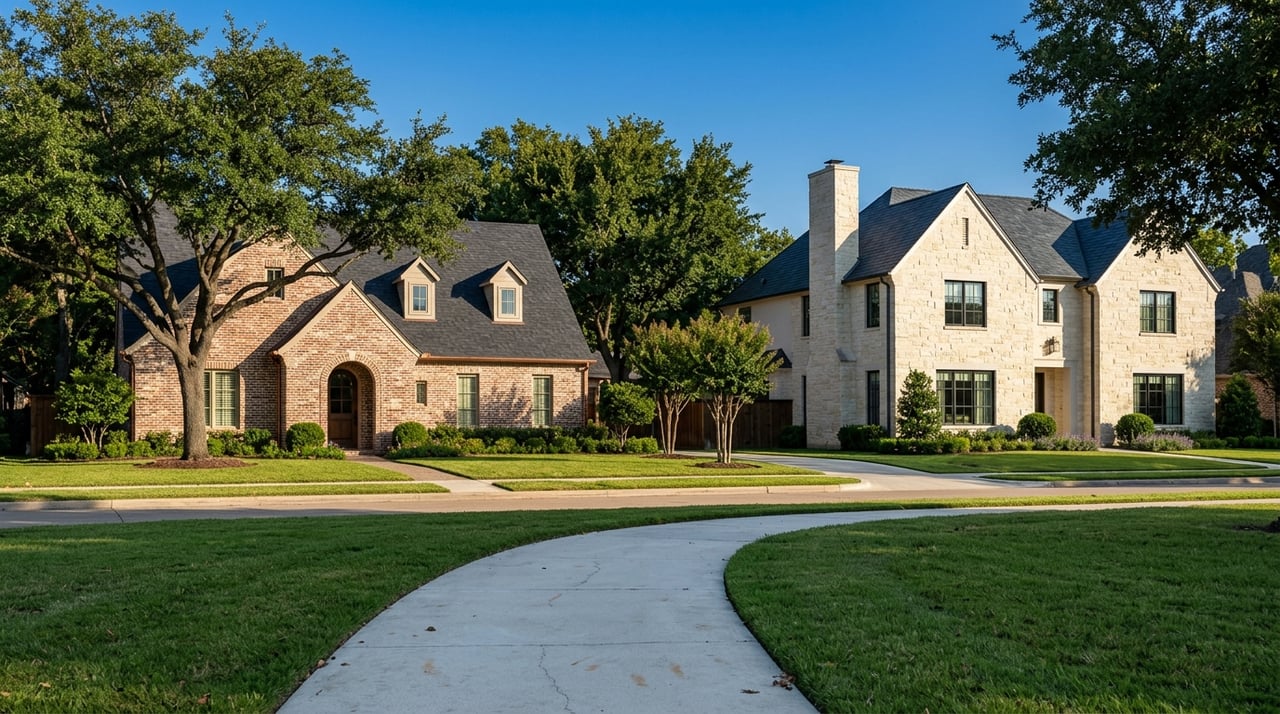
Wondering why Greenway Parks feels so different from other Dallas neighborhoods? It is not just the homes themselves. It is the way architecture, lot layout, and shared green space work together to create a setting that still feels intentional nearly a century later. If you are exploring homes in 75209, this guide will help you understand the architectural styles that define Greenway Parks and what to notice when you walk the neighborhood. Let’s dive in.
Why Greenway Parks Stands Out
Greenway Parks was platted in 1927 by architect David R. Williams on 150 acres. The neighborhood is widely recognized for its greenway-based plan, with homes arranged around shared interior parkways inspired by the English commons.
That design choice still shapes how the neighborhood looks and feels today. Instead of a conventional layout focused only on streets, many homes were designed to present their more formal side to the greenway, with service areas and garages placed on the street side.
This is a big reason Greenway Parks has such a distinct identity. The architecture matters, but the relationship between the house and the open space matters just as much.
Revival Styles Anchor the Neighborhood
If you picture Greenway Parks in your mind, you will likely picture its early revival-era homes first. These styles remain the visual anchor of the neighborhood and help give it a timeless, established character.
The most recognizable examples include Tudor Revival, Colonial Revival, Spanish Eclectic, and French Eclectic homes. Across the neighborhood, these houses create the storybook and estate-style feel many buyers notice right away.
The area is not frozen in one look, though. Greenway Parks developed over decades, so you will also see a broader range of architectural expressions layered into the original framework.
Tudor Revival Homes
Tudor Revival is one of the styles many buyers associate most strongly with Greenway Parks. These homes often feel romantic and expressive, which fits the neighborhood’s early design era and its park-facing orientation.
In Greenway Parks, Tudor homes contribute to the historic streetscape and greenway edge with steep rooflines, distinctive forms, and a sense of architectural depth. They are part of what gives the neighborhood its classic Dallas character.
Colonial Revival Homes
Colonial Revival homes bring a more formal and balanced appearance to the neighborhood. In a setting built around shared green space, that symmetry can feel especially fitting because the homes often read as part of a larger planned composition.
These houses help anchor the neighborhood visually. They also reflect the revival-era focus that remains central to Greenway Parks’ identity.
Spanish and French Eclectic Homes
Spanish Eclectic and French Eclectic homes add variety without breaking the neighborhood’s overall cohesion. Their presence helps explain why Greenway Parks feels collected and layered rather than repetitive.
This mix is one of the neighborhood’s strengths. Even when house styles vary, the shared orientation to greenways and the preserved scale help the area feel unified.
Greenway Parks Has More Variety Than Many Expect
While revival styles lead the conversation, Greenway Parks includes much more than early 20th-century architecture. Historic documentation also identifies Minimal Traditional, Monterey, Neoclassical, Prairie, Contemporary, and Mid-Century Modern examples within the district.
That means you are not shopping a one-style neighborhood. You are looking at a place where several eras of Dallas residential design coexist within a consistent planning framework.
Greenway Parks’ own history also points to postwar modern Bauhaus interpretations, ranch houses from the 1950s, and larger European-inspired homes from the late 1990s and early 2000s. For buyers, that creates a wider range of choices than many first-time visitors expect.
Ranch and Mid-Century Influences
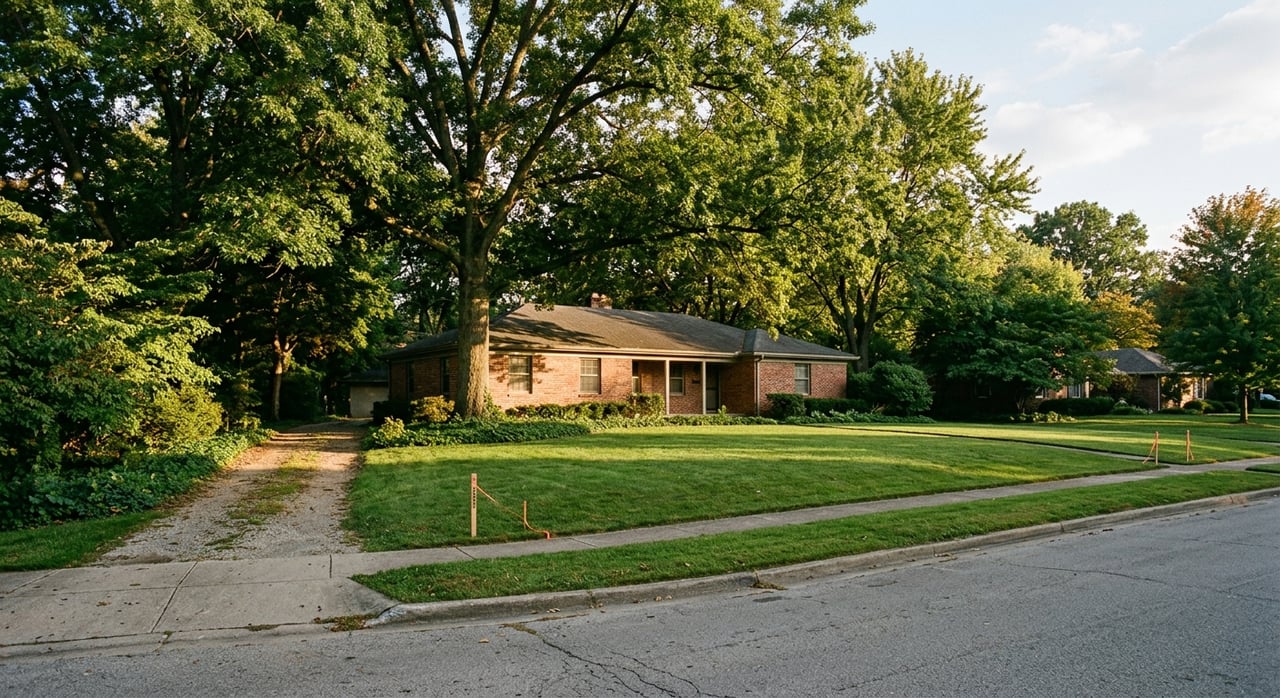
Ranch and mid-century homes add another chapter to the neighborhood’s story. These homes reflect later periods of development while still living within the district’s larger design rules and lot patterns.
For some buyers, this is where Greenway Parks becomes especially interesting. You may find a home with a simpler exterior form or more modern lines, but it still benefits from the same greenway-oriented setting that defines the neighborhood.
Later European-Inspired Homes
Later homes in Greenway Parks often lean European in character. These properties became part of the neighborhood in the late 1990s and early 2000s, adding a newer layer to the architectural mix.
What matters most is that newer construction must remain compatible with the surrounding environment. In Greenway Parks, that means the home cannot be considered in isolation from lot coverage, height, driveway placement, and the open, park-like character of the district.
The Real Defining Feature Is Orientation
One of the most important things to notice in Greenway Parks is not a style label at all. It is the way the home sits on the lot and how it addresses the greenway.
Many homes were designed with a more elaborate or formal façade facing the interior parkway rather than the street. This double-fronted approach is one of the neighborhood’s signature features and a major reason it feels different from a standard Dallas subdivision.
When you tour homes here, pay attention to where the main visual emphasis falls. In many cases, the greenway side tells you more about the home’s original design intent than the street side does.
Garages, Service Areas, and Streetscape
In the original planning concept, garages and service spaces were placed on the street-facing side. That approach helped eliminate the need for conventional alleys and utility corridors while preserving the greenways as the neighborhood’s shared front yard.
That planning logic still matters today. City rules require driveways to be on the east-west street a lot faces and do not allow them on parkways, walkways, easements, or Greenway Boulevards.
For buyers, this helps explain why the neighborhood feels more open and pedestrian-oriented. The visual emphasis remains on landscaping, walkways, and façades rather than cars and paved access.
Conservation Rules Help Preserve Character
Greenway Parks’ long-term appeal is tied to more than taste or nostalgia. The conservation district, adopted by the city in 2003, was created to conserve and enhance the area’s architectural and cultural attributes and to keep new construction compatible with the existing built environment.
In practical terms, that means changes are shaped by rules around height, setbacks, lot coverage, materials, and screening. The goal is not to stop change. It is to make sure change respects the neighborhood’s established scale and visual rhythm.
The ordinance gives examples of a typical parkway lot at 80 by 140 feet with 45 percent lot coverage. It also includes standards meant to prevent overly bulky structures from overwhelming adjacent homes or green-facing views.
Materials and Exterior Changes
Exterior materials also play a role in neighborhood character. The district discourages visually heavy or incompatible changes by prohibiting wood shingles and materials such as vinyl, aluminum, EIFS, and plywood for siding.
There are also rules requiring HVAC and pool equipment to be screened from parkways. That helps preserve the open, landscaped appearance that makes the greenways feel like a true daily amenity rather than leftover open space.
Fences and Openness
Fence design matters here more than in many neighborhoods. District standards illustrate a preference for openness along parkways rather than solid visual barriers.
That detail may sound small, but it reinforces one of Greenway Parks’ core ideas. The neighborhood works because homes, lawns, and shared green space remain visually connected.
What Buyers Should Notice First
If you are evaluating a home in Greenway Parks, start with the basics that shape compatibility and long-term appeal. Architectural style matters, but the home’s siting and exterior relationship to the greenway often matter even more.
A few things are worth noticing on your first visit:
- Whether the home presents more strongly to the parkway or the street
- How the garage and driveway are placed
- Whether the fence line feels visually open or closed off
- How additions or updates relate to the original massing of the house
- Whether exterior equipment and functional elements are screened from the greenway view
These details can help you understand whether a property fits naturally within the district. They can also shape future renovation decisions if you are considering improvements after purchase.
Why This Mix Supports Long-Term Appeal
Greenway Parks has a high level of retained historic fabric, with the National Register nomination counting 292 houses and 215 contributing to the district’s significance. The neighborhood HOA also notes that many homes remain in family ownership or pass between generations.
That kind of continuity says a lot. Buyers are often drawn not only to the individual home, but also to the stability of the setting and the shared value placed on preserving neighborhood character.
The greenways are also part of everyday life. According to the neighborhood history, they are actively maintained and used for play and socializing, which gives the landscape a practical role beyond appearance.
In other words, Greenway Parks’ appeal comes from a combination of architecture, planning, and lived experience. That is hard to replicate, and it helps explain why the neighborhood continues to stand out in Dallas.
If you are comparing homes in Greenway Parks or trying to understand how architectural character affects value and fit, a local perspective can make the search much clearer. The team at The Ryan Group brings deep Dallas neighborhood knowledge and a stewardship-first approach to help you buy or sell with confidence.
FAQs
What architectural styles are most common in Greenway Parks homes?
- Early revival styles are the visual anchor, especially Tudor Revival, Colonial Revival, Spanish Eclectic, and French Eclectic, though buyers will also see ranch, minimal traditional, modern, and later European-inspired homes.
Why do Greenway Parks homes look different from homes in other Dallas neighborhoods?
- Many homes in Greenway Parks were designed to face shared interior greenways rather than the street, which creates a more formal park-facing presentation and a more open neighborhood layout.
Can new construction fit into Greenway Parks?
- Yes, but new homes and major changes must follow conservation district rules related to height, lot coverage, setbacks, driveway placement, materials, and compatibility with the existing neighborhood character.
What should buyers notice when touring a Greenway Parks home?
- Pay close attention to the home’s orientation, garage placement, fence openness, exterior screening, and whether additions respect the original massing and scale of the house.
Why do the greenways matter so much in Greenway Parks?
- The greenways are central to the neighborhood’s original design and daily use, shaping how homes are oriented and helping preserve the open, pedestrian-friendly character that defines the area.